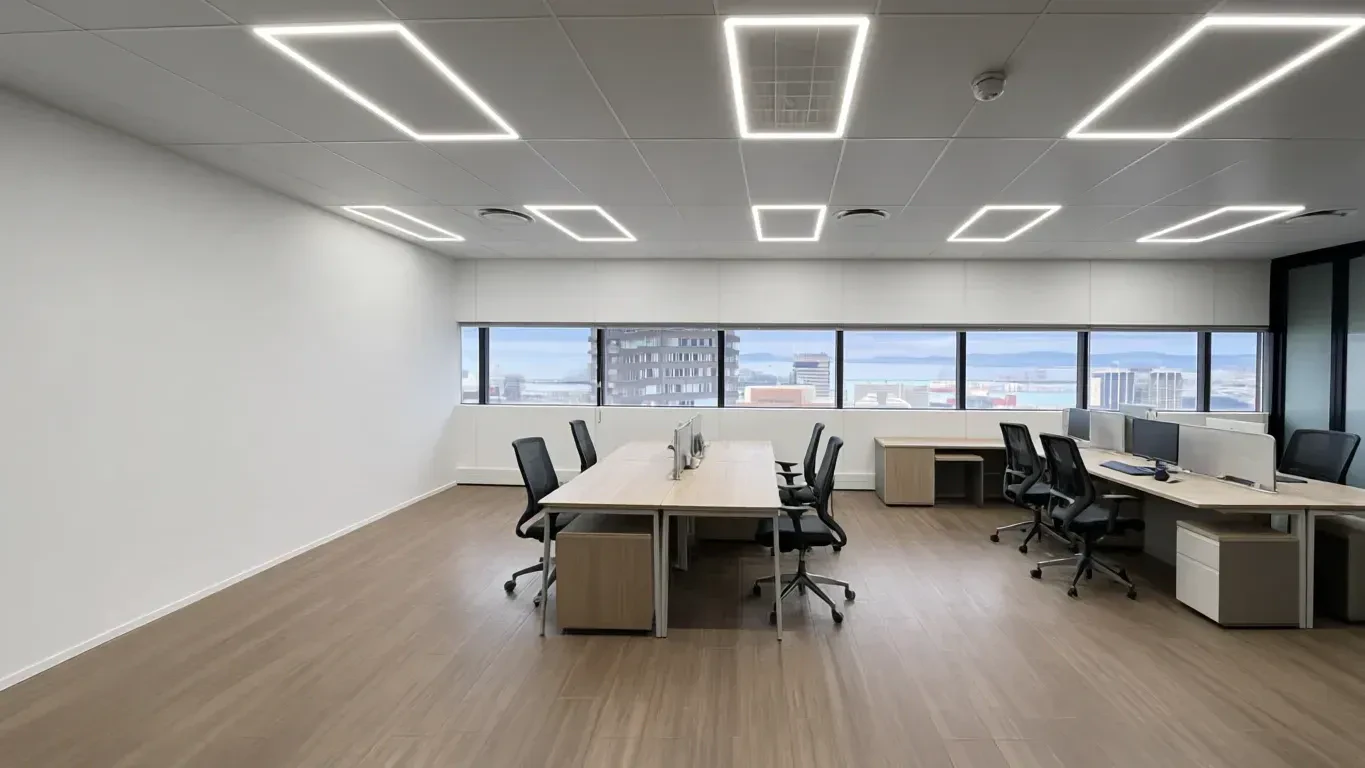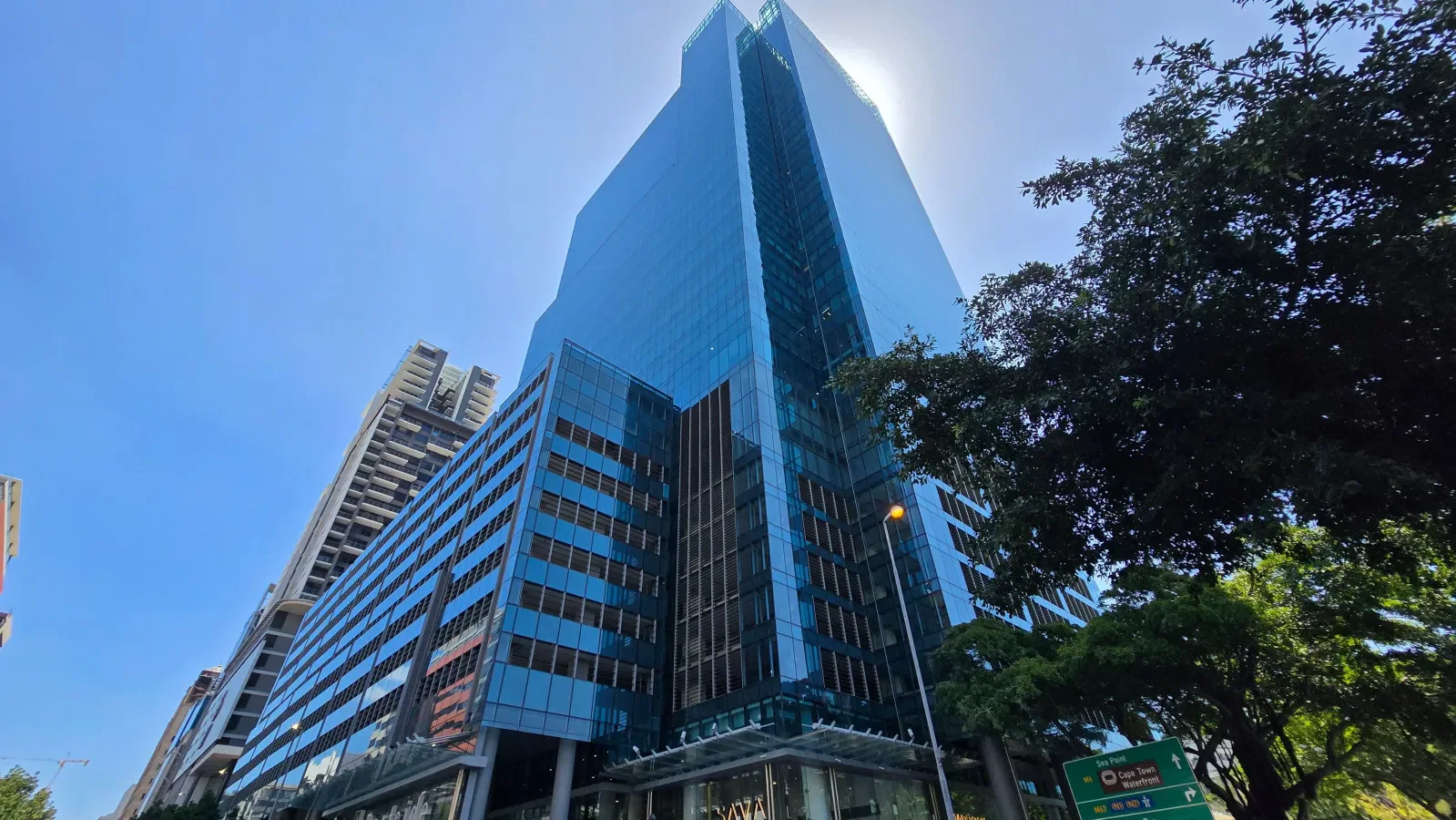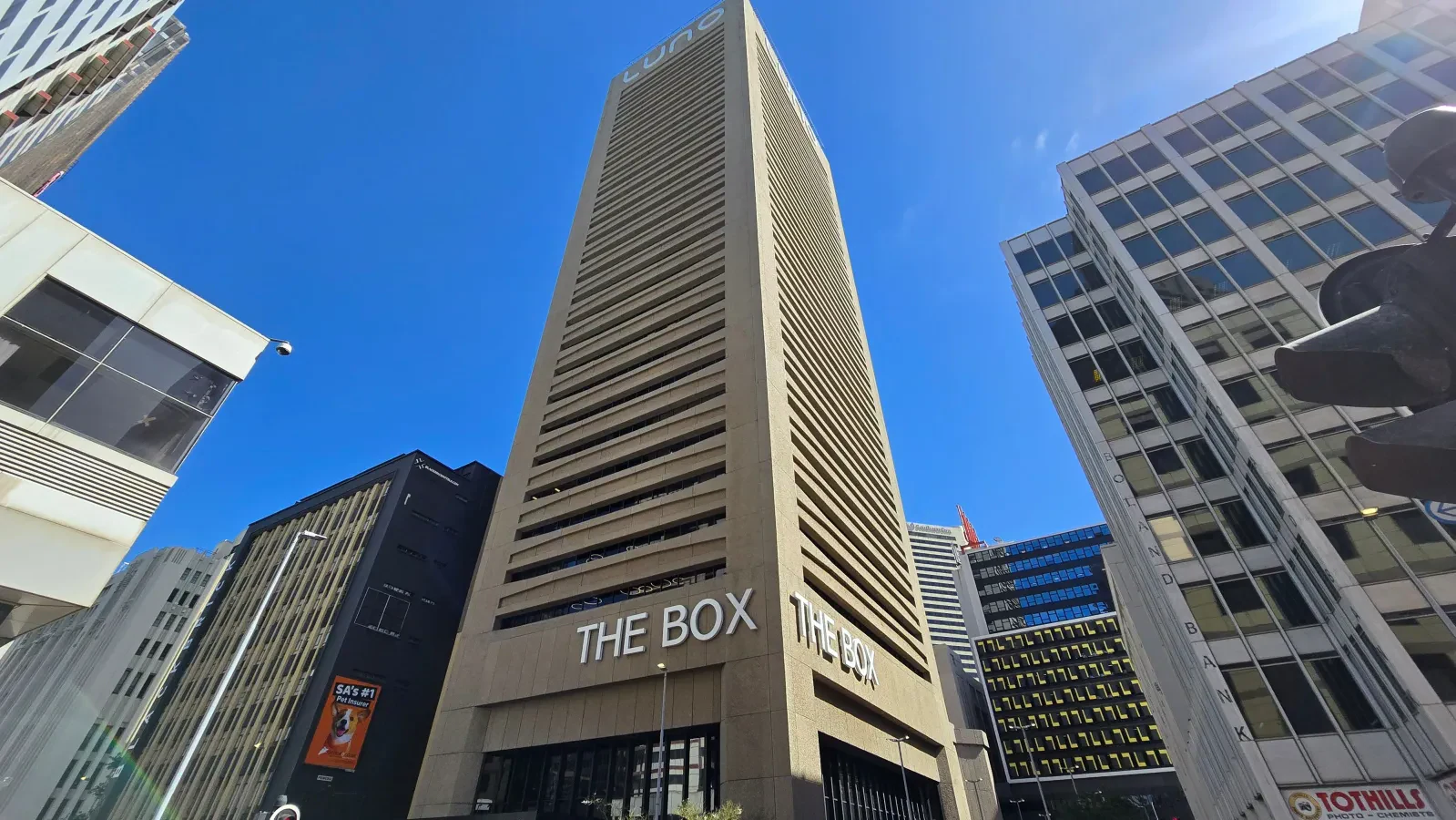
At 119 metres, The Box is hard to miss. From the upper floors, you can see Table Mountain, the Atlantic Ocean, the working harbour and the movement of the Cape Town CBD below. That is a powerful combination in a market where good offices still need to offer more than desks, lifts and parking.
The building at 9 Riebeek Street has become one of the Foreshore’s most recognisable office addresses. It is also one of the buildings that consistently attracts attention from established corporate occupiers looking for a credible CBD base, efficient floor plates and a better day-to-day experience for staff.
Having worked the Cape Town office market for almost a decade, I can say this plainly: The Box is not just trading on its height or its history. The recent upgrades, activated ground floor, transport links and quality of the surrounding precinct have helped it remain relevant in a competitive office market.
Why offices at The Box remain in demand
The Box was completed in 1976 and was originally known as Shell House. Today, it operates as a premium A-Grade, multi-tenanted office tower under the management of Boxwood Property Fund. That shift from a single corporate headquarters to a modern multi-tenant building is important.
It means the building can accommodate different types of occupiers. Larger businesses can consider substantial office requirements, while professional firms can look at smaller suites. Available office configurations have included spaces from approximately 353 square metres, with standard floor plates of about 956 square metres.
That flexibility matters. Many tenants no longer want to take far more space than they need, but they also do not want to compromise on quality, accessibility or the impression their address makes on clients. The Box gives them room to find a workable middle ground.
A recognised address for established businesses
In commercial property, address still matters. A recognised building makes it easier for clients to find you, gives staff a clear point of reference and supports a more professional arrival experience.
The Box has the visibility that comes with being one of the CBD’s taller commercial towers. It is immediately identifiable from the Foreshore and sits on the route between the central city, Cape Town Stadium and the V&A Waterfront. For companies with a national or international client base, that visibility has real value.
The building’s occupier profile also strengthens its appeal. It has been positioned as a home for blue-chip and high-quality corporate tenants, as well as established professional businesses. The research available does not provide a verified list of tenant names, so it would be misleading to publish one. What is clear is that The Box is designed and managed for occupiers who expect a premium corporate environment.
The views are a genuine office amenity
Some office listings use the word “views” rather casually. At The Box, the views are a major part of the proposition.
From higher floors, tenants can enjoy broad sightlines across Table Mountain, the harbour and the Atlantic horizon. The upper levels, including the 26th and 27th floors, offer particularly impressive outlooks. Select high-floor offices also include private balconies, which are rare in a central Cape Town office building.
That changes how a workplace feels. A client meeting with Table Mountain in the background is different from a meeting in a sealed office with no connection to the city. Staff notice it too. Natural light, a sense of space and a view beyond the immediate building line can make a long working day feel considerably better.
Different floors offer different advantages
The higher floors provide the dramatic horizon views. Mid-level floors offer a closer look at the CBD grid, the Foreshore and the daily movement along the Fan Mile. From around the 11th floor upwards, the building benefits from an elevated perspective over the surrounding city.
For occupiers, the right choice depends on how they use the space. A company that wants a landmark boardroom may prioritise the top floors. Another business may prefer a mid-level suite with a strong outlook and easier access to its office. The floor plate is more important than the floor number alone, so we always recommend viewing several options before deciding.
The market downstairs gives The Box a different energy
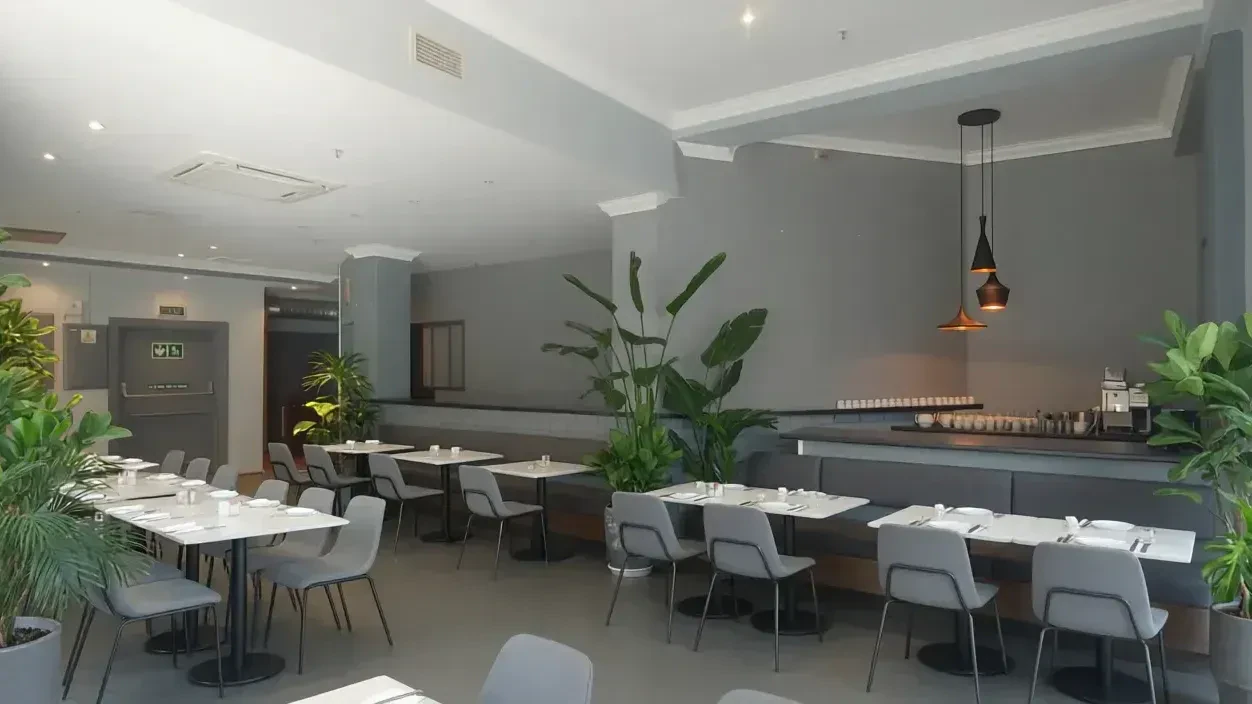
The ground floor is one of the building’s strongest improvements. The SALT Food Market has brought food, coffee and informal meeting activity directly into the building. It gives tenants somewhere convenient to meet, grab lunch or take a break without having to leave the precinct.
This is not a small detail. Older CBD towers can feel disconnected from street life. A lively ground floor makes the building more useful throughout the day and gives visitors a more welcoming first impression.
The market also benefits from The Box’s position on the Fan Mile, the pedestrian route linking the CBD with the V&A Waterfront and Cape Town Stadium. Office workers, visitors and people moving through the precinct all contribute to the activity downstairs.
For landlords, this kind of activation helps turn a building from a purely internal workplace into part of the surrounding city. For tenants, it supports the work, meeting and social requirements that have become more important since office routines changed.
Renovations have improved the arrival experience
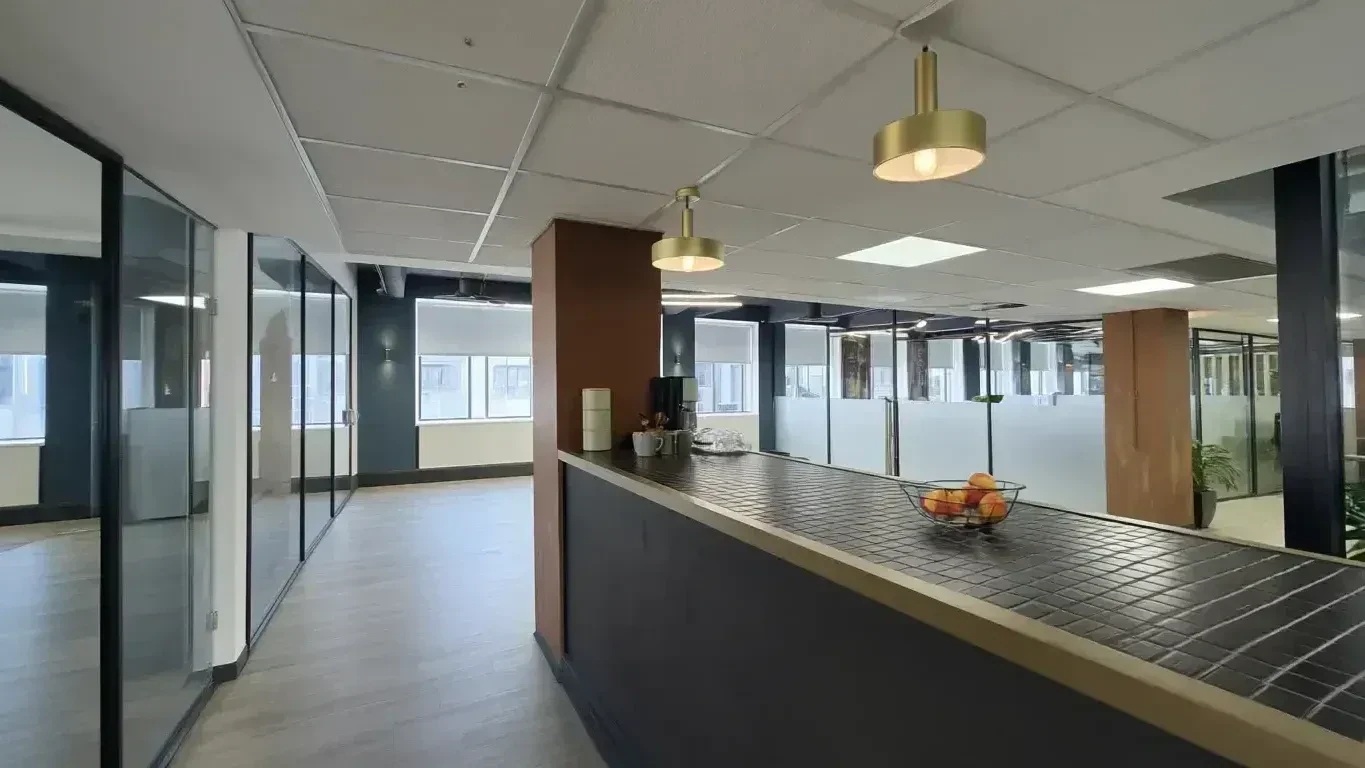
The Box has undergone substantial modernisation since its earlier life as Shell House. The upgrades include improvements to the lift and building services, contemporary office finishes in selected suites, air-conditioning throughout the tower and a more polished corporate environment.
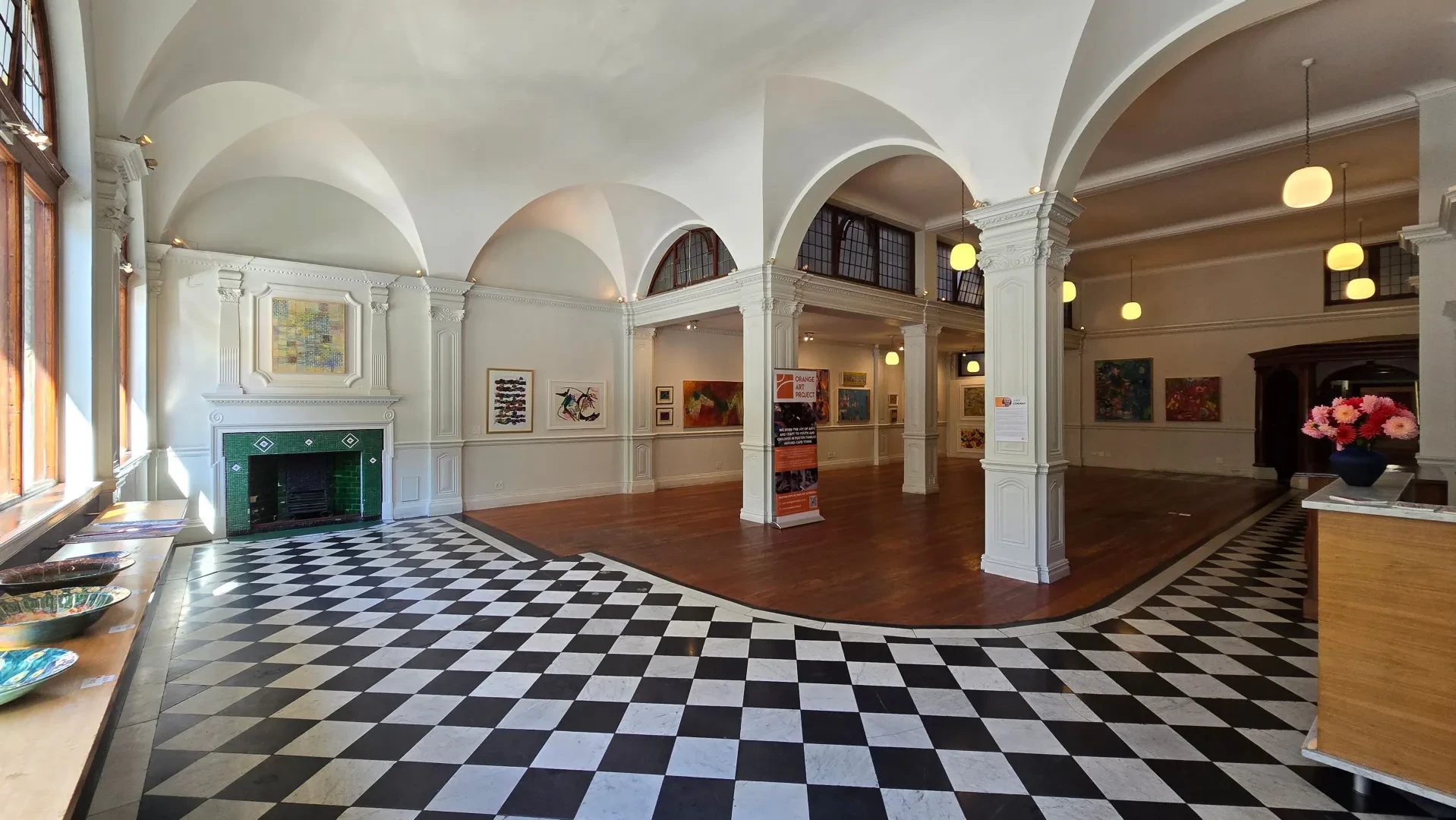
Public realm work around Riebeek Street and Lower Burg Street has also improved the building’s relationship with the streets around it. These interventions have helped soften the older high-rise form and make the entrances feel more connected to the public environment.
The result is a building that retains its 1970s modernist character but works much more like a current A-Grade office asset. That balance is difficult to achieve. Many older buildings either remain dated or undergo renovations that remove the character that made them memorable. The Box has kept its identity while improving its practical offer.
P-Grade offices with practical specifications
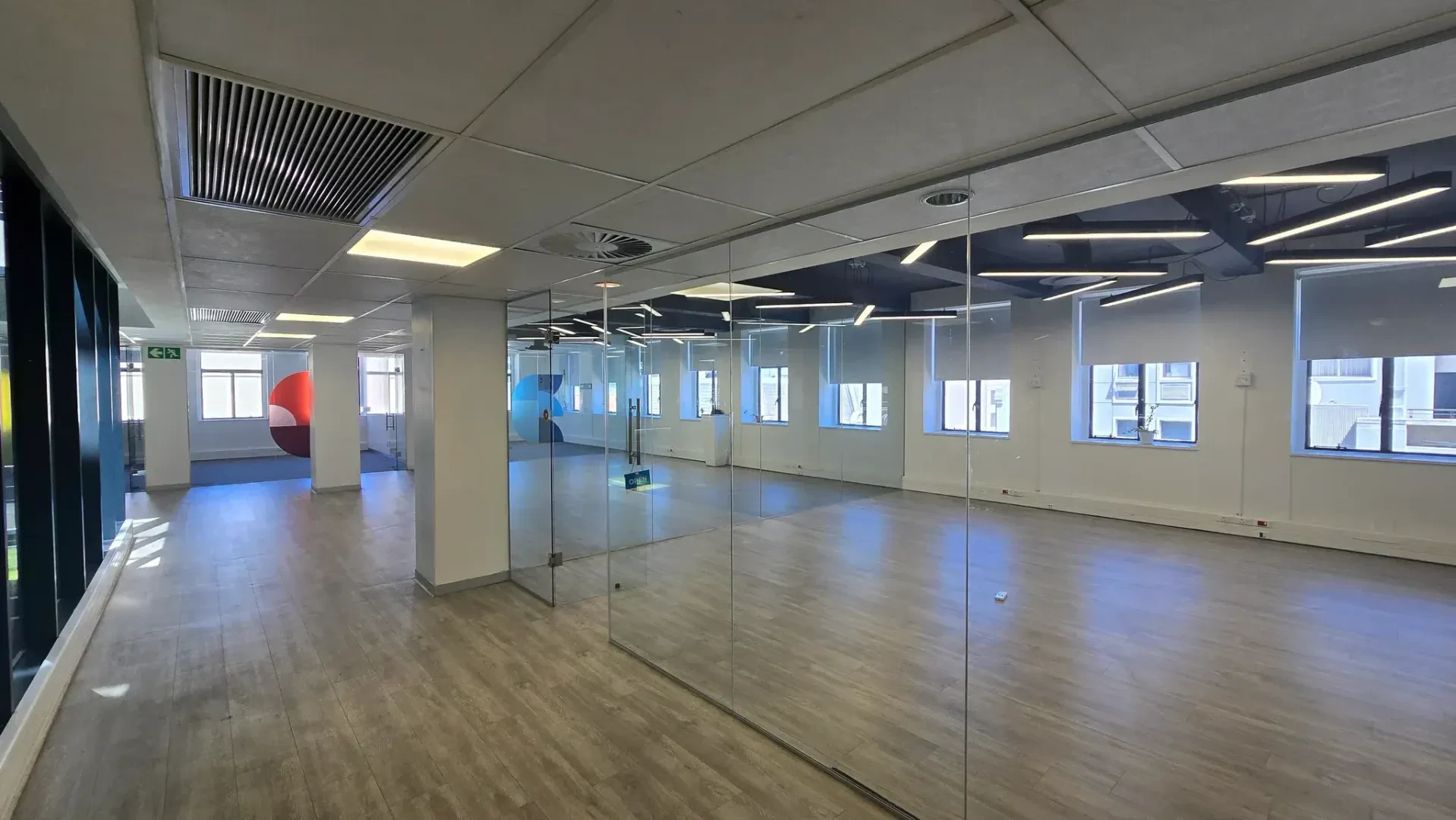
The Box has approximately 29,636 square metres of gross lettable area and a standard floor plate of around 956 square metres. The consistent floor plates support both open-plan layouts and partitioned offices.
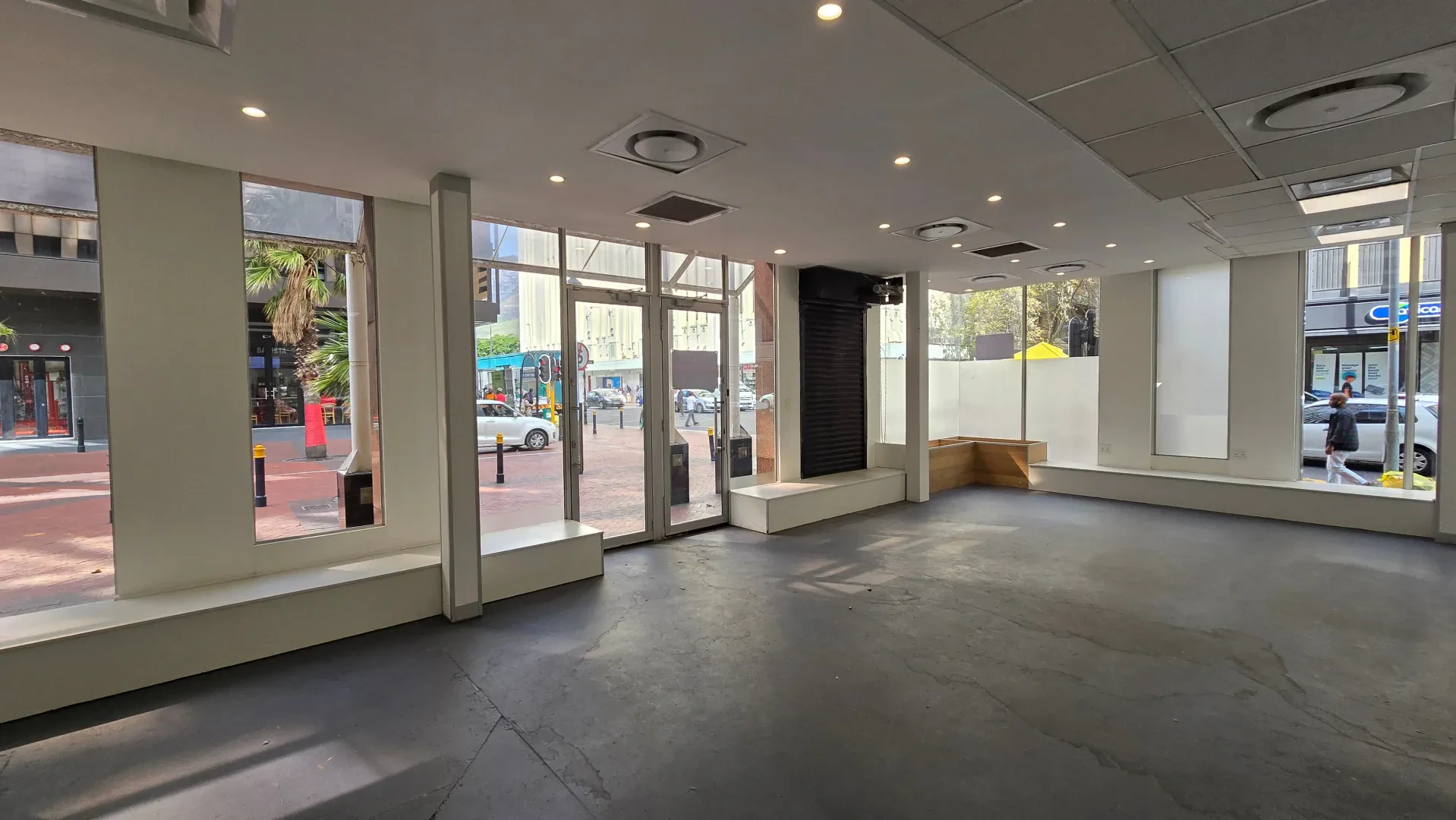
Depending on availability, tenants may find move-in-ready suites, white-boxed space or offices requiring a more tailored fit-out. This is where professional advice matters. A lower face rental does not necessarily mean a cheaper occupation if the tenant must spend heavily on alterations, cabling, meeting rooms and staff facilities.
Other practical features include:
Fully air-conditioned office accommodation.
Move-in-ready suites in selected areas.
A business lounge for meetings and flexible work.
An on-site cafe and food market.
Concierge and controlled access.
24-hour manned security.
Full disabled access.
Secure basement parking.
A parking ratio of approximately 2.5 bays per 100 square metres.
The parking ratio is a useful differentiator in the Cape Town CBD. It will not replace public transport for every employee, but it gives businesses more flexibility when comparing central city buildings.
Green credentials and end-of-trip facilities
The Box has achieved a 4-Star Green Star Existing Building Performance rating from the Green Building Council South Africa. For occupiers with environmental reporting requirements, this is more meaningful than simply marketing a building as “green”. Existing Building Performance ratings focus on how the property is operated and managed.
The building’s modernisation has included attention to energy and resource efficiency, building services and ongoing operational performance. That is increasingly relevant to larger businesses assessing their property portfolios and reporting on environmental, social and governance objectives.
End-of-trip facilities and secure cycling support add to the offer. The building’s location also makes public transport a practical option for many employees, which can reduce the dependence on private vehicles.
Tenants should still ask for the current sustainability documentation and operating information during due diligence. A certification is useful, but businesses need to understand how it affects their own occupation costs, reporting and facilities.
The Foreshore location works for staff and clients
The Box sits on the edge of the Cape Town CBD, where the Foreshore provides easier access to major roads than many deeper CBD blocks. It has direct connections towards the N1 and N2, which is helpful for staff travelling from the northern and southern suburbs.
The location is also within approximately 200 metres of the Cape Town CBD Public Transport Interchange. That brings the MyCiTi network, regional rail and minibus taxi connections into the daily commuting conversation. You can find route information directly from MyCiTi.
For a business trying to bring employees back into a central office, accessibility is not a secondary consideration. It can affect recruitment, punctuality, parking demand and the overall willingness of staff to use the office.
Amenities within easy reach
The building benefits from being close to some of Cape Town’s most established amenities. The Fan Mile leads towards the V&A Waterfront, while the CBD offers restaurants, coffee shops, retail services and public transport nodes within walking distance.
The surrounding streets include Riebeek Street, Lower Burg Street, Waterkant Street and St George’s Mall. That mix gives tenants access to both the business core and the more active pedestrian areas of the Foreshore.
Businesses comparing The Box with office space in the Cape Town CBD should look beyond the rental rate. Check the walkability, transport options, parking, food offering, building management and the quality of the common areas. Those factors affect the actual cost and usefulness of the office.
What tenants should check before signing
The Box is in demand, but no building is automatically right for every occupier. A proper assessment should include:
View and orientation. Decide whether the business needs harbour, mountain, ocean or city views. Do not assume every floor has the same outlook.
Fit-out cost. Compare move-in-ready options with white-boxed or unbuilt space. Include meeting rooms, kitchens, data infrastructure and staff areas in the calculation.
Parking allocation. The building has a competitive ratio, but the exact number of bays available to a tenant must be confirmed in the lease proposal.
Access requirements. Test the commute from the areas where staff live. Proximity to the interchange can be valuable, but the tenant’s workforce profile still matters.
Operating costs. Ask for current estimates, escalation clauses, backup power arrangements and the scope of building services included in the rental.
Expansion rights. If the business is growing, check whether adjoining suites or additional space may become available.
This is where a broker earns their fee. The right office is not just the one with the best photographs. It is the one that works financially and operationally for the tenant.
Our view on The Box
The Box remains one of the stronger office options on the Foreshore because it offers a combination that is difficult to replicate: a landmark address, efficient office plates, strong views, meaningful upgrades, food and retail activity at ground level, parking and excellent transport access.
It is particularly well suited to established businesses that want a recognisable Cape Town address without moving into a low-rise or purely suburban office environment. The views help attract attention. The renovations make the building practical. The market downstairs gives it life. The location makes it accessible.
Tenants looking at alternatives can also compare Foreshore offices with office space in Century City, depending on their staff base, parking needs and preference for a CBD or decentralised node.
Practical takeaway for tenants and landlords
If you are a tenant, do not wait until the perfect suite appears online. Ask for a current availability schedule and view the building at the time your staff and clients will actually arrive. The Box’s strongest features are experienced in person, especially the views, arrival experience and ground-floor market.
If you are a landlord or investor, The Box shows why well-managed older buildings can compete successfully with newer stock. Good refurbishment, activated ground floors, credible sustainability performance and reliable access can protect demand without erasing the building’s identity.
To discuss current availability at The Box or compare it with other Cape Town nodes, get in touch with Brightwave Property or search available properties.