The Giant on the Foreshore: Why Portside Tower Still Dominates the Cape Town Skyline
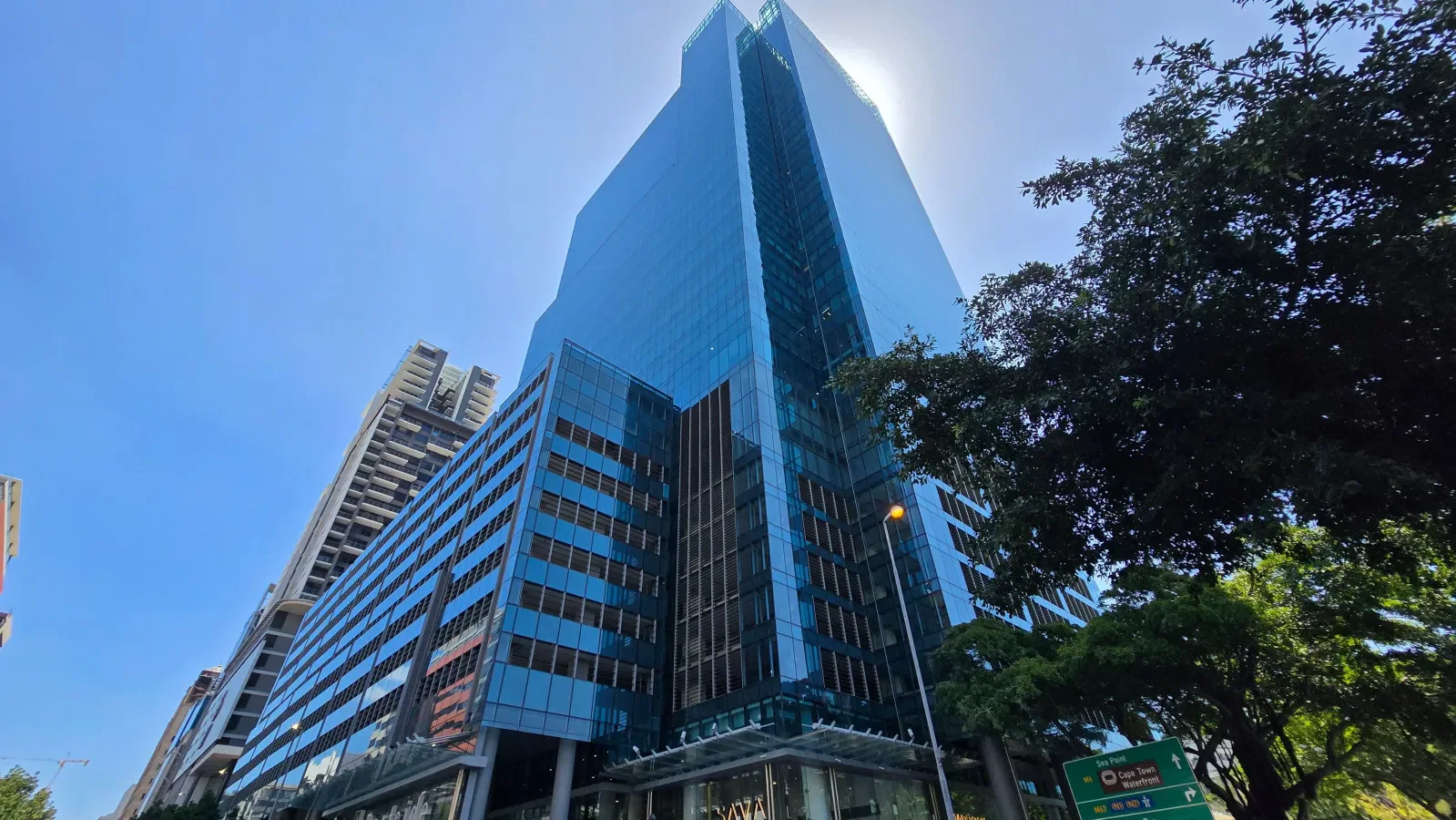
If you search for Portside Towers online, you might get a bit confused. There is a luxury residential complex with almost the exact same name sitting right on the Hudson River in Jersey City, looking across at Manhattan. But if you are looking for commercial real estate in South Africa, there is only one Portside that matters. That is the 139 metre blue glass giant standing at 4 Bree Street, right where the Cape Town CBD meets the Foreshore.
Completed in 2014, Portside Tower is officially the tallest building in Cape Town. It has 32 floors of premium space, five basement levels, and a presence that you simply cannot miss when you drive into the city. For corporate tenants looking for office space in the Foreshore, it remains the ultimate address. It is modern, it is highly efficient, and it has some of the best views of Table Mountain and the Atlantic Seaboard you will find anywhere in the country.
I have spent almost a decade placing tenants in the Cape Town commercial market. I remember when Portside was just a massive hole in the ground. Today, I want to take you inside this landmark. We will look at the history, the actual specifications, the parking situation, the green credentials, and what it really means for your business to set up shop here.
Breaking the 15-Year Skyscraper Drought
To understand why Portside Tower is such a big deal, we have to look back at the development history of the Cape Town CBD. Before Portside broke ground, the city centre had not seen a major skyscraper built in fifteen years. The last big high-rise to go up was Safmarine House, now the Radisson Blu, way back in 1993. That building was also designed by the legendary Louis Karol.
For nearly two decades, institutional money stayed away from building massive corporate towers in the downtown core. Businesses were moving out to northern suburbs like Bellville and Tyger Valley, or setting up in the emerging V&A Waterfront. The traditional CBD was starting to feel a bit left behind.
Portside changed all of that. The project was a massive joint venture between FirstRand Bank and Old Mutual. They wanted a central, high-density headquarters to house FirstRand's various financial brands, including FNB, RMB, WesBank, and Ashburton. By committing to this site, they sparked a massive wave of reinvestment in the Foreshore. Suddenly, the city centre was back in favour.
Construction was not easy. If you know Cape Town, you know the wind. In late March 2013, the City of Cape Town disaster response unit actually had to issue a stop-work order. Extreme gale-force winds were battering the external scaffolding, making it too dangerous to continue. But the team pushed through, and by 2014, the building was open for business.
The Specs: What P-Grade Actually Means for Your Business
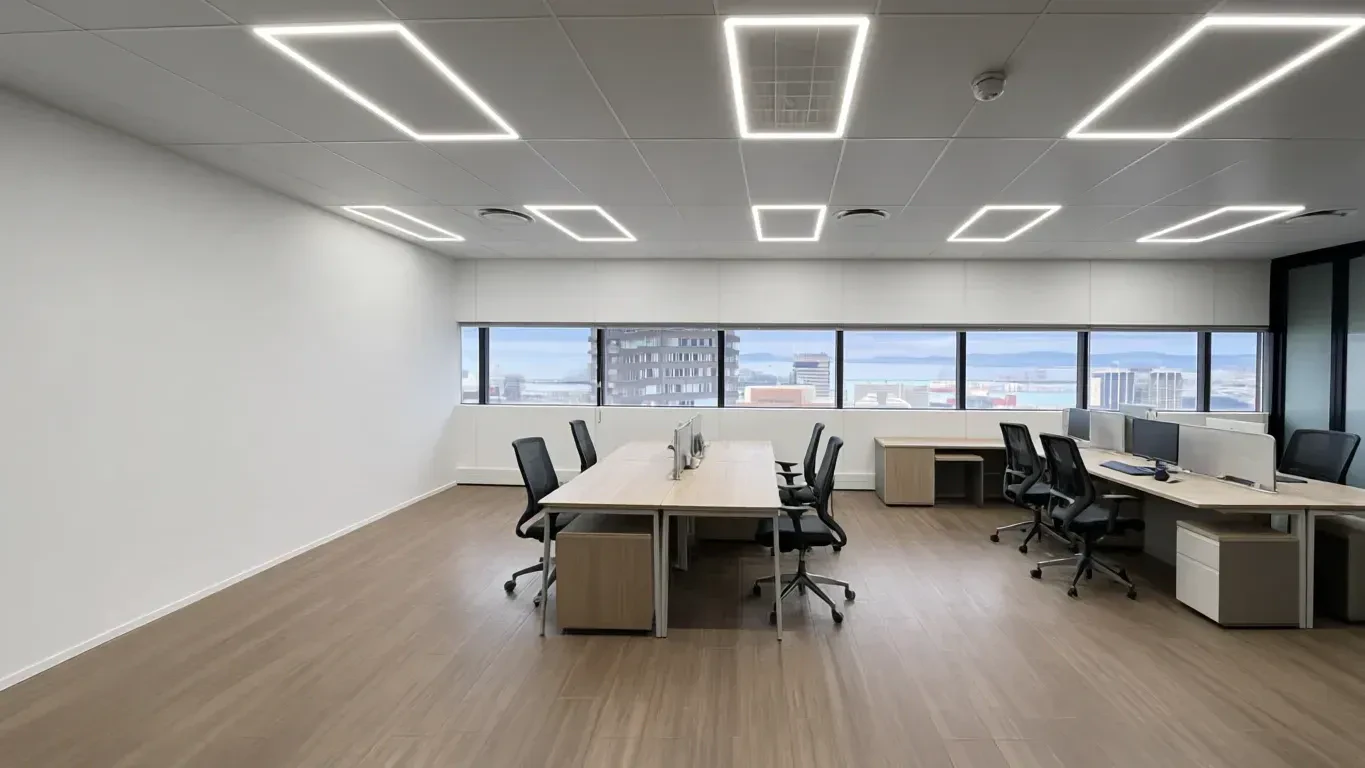
In South Africa, we grade buildings from C-grade all the way up to P-grade, which stands for Premium Grade. Portside is a textbook example of P-grade space. The building features massive, open-plan floor plates that let corporate tenants design highly efficient layouts. There are 24 dedicated office floors, sitting above a ground-floor retail section and a five-storey hotel component.
When you walk into the lobby, you immediately feel the quality. The finishes are world-class, the security is tight but polite, and the lifts are incredibly fast. The building uses a high-speed lift system designed to handle thousands of people moving through the tower every day without long wait times.
But the real clincher for most of my clients is the parking. If you have ever tried to find parking in the Cape Town CBD, you know it is an absolute nightmare. Many older buildings in the city centre offer parking ratios of just one or two bays per 100 square metres. That simply does not work for modern businesses.
Portside solved this by dedicating a massive portion of its structure to vehicles. The building has five basement levels and eight above-ground levels of parking. This gives it one of the best parking ratios in the city. Your staff and your clients will actually be able to park inside the building, which is a massive competitive advantage when you are trying to recruit top talent.
The Green Factor: Why a 5-Star Rating Saves You Cash
Portside Tower was a pioneer in green building design in South Africa. The Green Building Council of South Africa awarded the property a 5-Star Green Star SA rating. At the time of its completion, it was the tallest Green Star-rated building on the African continent.
This is not just about having a nice plaque in the lobby. For a tenant, a green building has real, tangible financial benefits. The double-glazed glass facade is designed to let in maximum natural light while keeping out the harsh Cape heat. This dramatically reduces the amount of energy needed to air-condition the space.
The building also features energy-efficient lighting systems, water-saving fittings, and a state-of-the-art building management system that monitors energy consumption in real-time. In a country where electricity prices are climbing rapidly and water security is always a concern, these features keep your operational utility bills significantly lower than they would be in an older, non-rated building.
The Bree Street Buzz and Nearby Amenities
Location is everything in commercial property, and Portside sits at the absolute sweet spot. The building frontages onto both Buitengracht Street and Bree Street. Over the last decade, Bree Street has established itself as the coolest street in Cape Town. It is packed with artisanal coffee shops, award-winning restaurants, boutique galleries, and trendy bars.
Your staff can walk out of the building and have lunch at some of the best spots in the city. It creates a fantastic working environment. If you need to entertain clients, you do not need to drive anywhere. You just walk across the road.
Transport connectivity is also excellent. The building is positioned right at the entrance to the city, meaning your staff can avoid the worst of the inner-city traffic. It is a short walk to the main Cape Town train station, and there are multiple MyCiTi bus stops right on your doorstep. If you have clients visiting from out of town, the V&A Waterfront is just a three-minute drive away, offering world-class hotels and shopping.
The R580 Million Power Move: Market Value and Ownership
The ownership of Portside has always been a talking point in the market. It is a sectional title building, which is quite unusual for a skyscraper of this scale. FirstRand Bank owns and occupies a massive portion of the building, using it as their regional headquarters. The remaining office space has been held by institutional investors like Old Mutual and Accelerate Property Fund.
We saw a massive transaction in the market when a major chunk of the tower changed hands to Cavaleros Property for R580 million. According to reports from SAPOA and local property analysts, this deal showed incredibly strong investor confidence in the Cape Town CBD. While other metropolitan centres in South Africa have struggled with rising vacancies, Cape Town's premium office market has remained highly resilient.
Because of this tight ownership structure, finding space in Portside is not always easy. When a pocket of space does open up, it tends to move quickly. Rental rates in the building are at the upper end of the Cape Town market, reflecting its P-grade status and iconic location. But when you factor in the energy savings, the parking availability, and the prestige of the address, the value proposition is incredibly strong.
The Broker's Verdict: What Should You Do?
If you are a growing business or an established corporate looking to make a statement in Cape Town, Portside Tower should be at the top of your list. It is a building that commands respect. It tells your clients that you are serious, and it gives your staff a workspace they will actually want to come to every day.
However, because vacancies in premium Foreshore buildings are low, you need to be proactive. Do not wait until your current lease is about to expire before you start looking. You need to monitor the market, understand when space is coming up, and be ready to move quickly when a pocket opens up.
If you want to see what is currently available in the building, or if you want to explore other premium options in the area, you can search available properties on our portal. Alternatively, if you want to chat about your business requirements over a coffee and get a realistic view of where the market is heading, feel free to get in touch with our team today. We live and breathe this market, and we are here to help you find the perfect home for your business.