Is Woodstock the Brooklyn of Cape Town? What Its Transformation Means for Commercial Property
Woodstock is often described as the “Brooklyn of Cape Town.” The comparison is easy to understand.
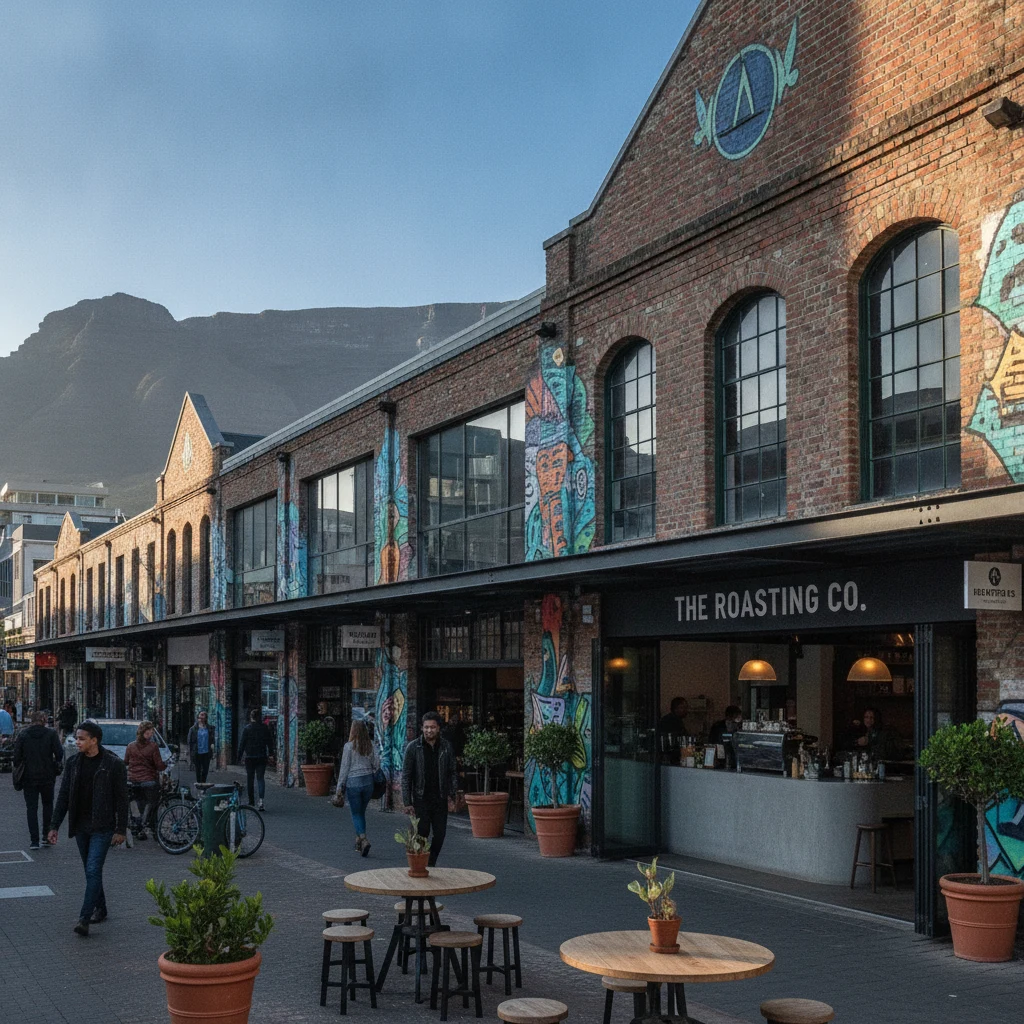
Former industrial buildings now accommodate offices, studios, galleries, coffee roasteries, restaurants and creative businesses. Street art forms part of the visual identity of Albert Road, while destinations such as the Old Biscuit Mill have helped establish Woodstock as one of Cape Town’s most recognisable mixed-use urban neighbourhoods.
But for a business considering office space in Woodstock, the more useful question is not whether the suburb resembles Brooklyn.
It is whether Woodstock’s evolution has created a commercial environment that actually works for the business.
For the right occupier, it can.
Woodstock offers a combination that is relatively unusual in Cape Town: proximity to the CBD, distinctive older buildings, flexible commercial space and an established urban identity.
It is also an uneven market.
Parking, security, building specification, backup power and the immediate street environment can change considerably from one property to the next. Two offices only a few hundred metres apart can provide very different experiences for employees and clients.
That makes the individual building just as important as the Woodstock address.
Why is Woodstock called the “Brooklyn of Cape Town”?
The comparison largely comes from Woodstock’s shift from a predominantly industrial environment towards a more diverse mix of commercial, residential, hospitality and creative uses.
Warehouses and former industrial buildings now sit alongside design studios, restaurants, galleries, offices, markets and independent businesses.
There are obvious similarities with the adaptive reuse associated with parts of Brooklyn, but the comparison should not be taken too literally.
Woodstock is distinctly Cape Town.
It remains a working urban neighbourhood where offices, homes, industrial businesses, retail, hospitality and older commercial properties operate alongside one another. Some streets have experienced substantial redevelopment, while others retain a much stronger industrial character.
That unevenness is an important part of understanding commercial property in Woodstock.
The suburb has not been rebuilt as a uniform corporate office precinct. Its commercial identity has evolved building by building and street by street.
The original “Brooklyn of Cape Town” conversation tends to focus on Woodstock’s cultural character: Albert Road, street art, galleries, coffee businesses and the Old Biscuit Mill.
For commercial occupiers, however, the question needs to go further.
A neighbourhood may be interesting on a Saturday morning, but a business needs to understand how the location performs from Monday to Friday.
From industrial buildings to modern workplaces
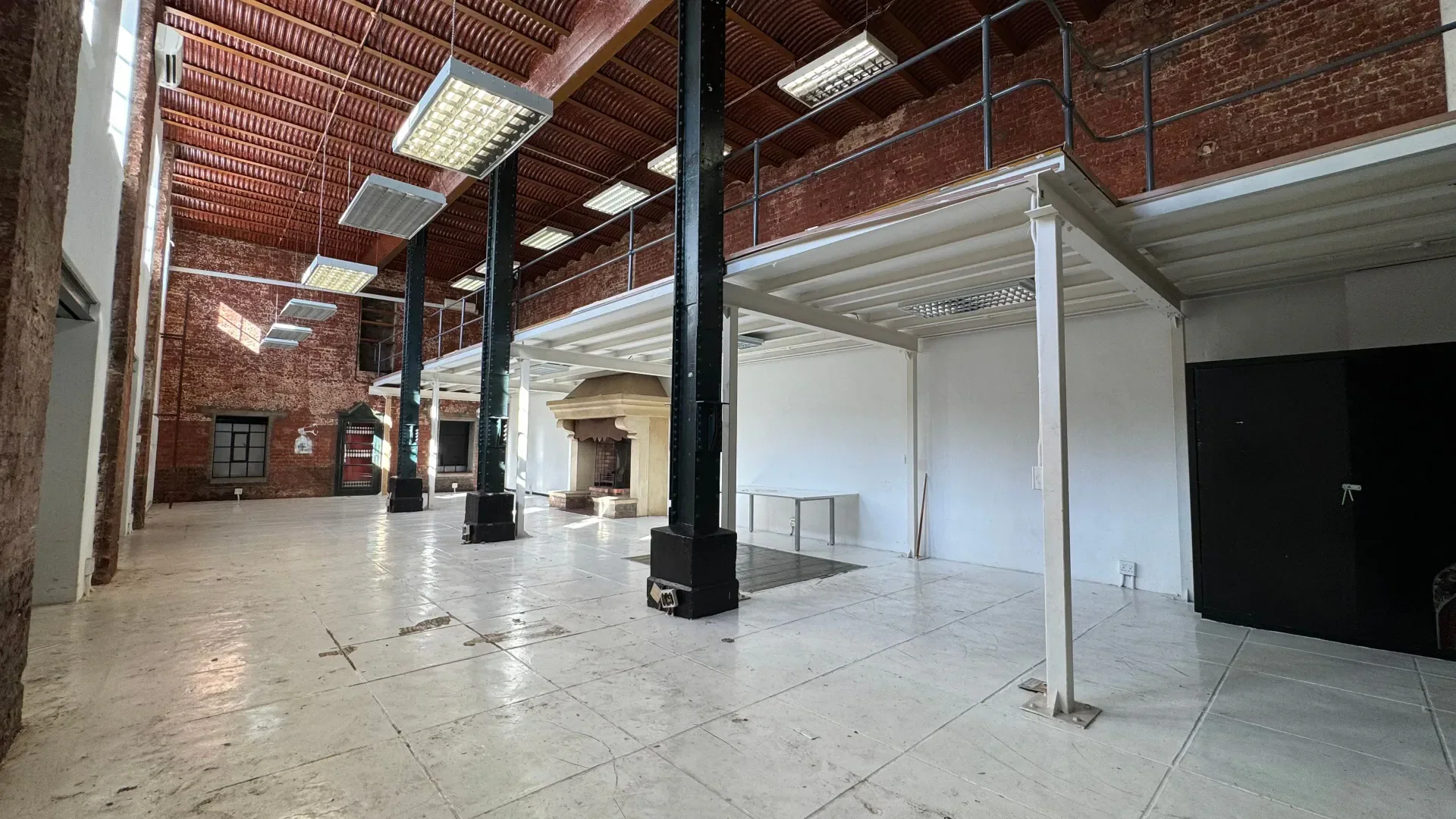
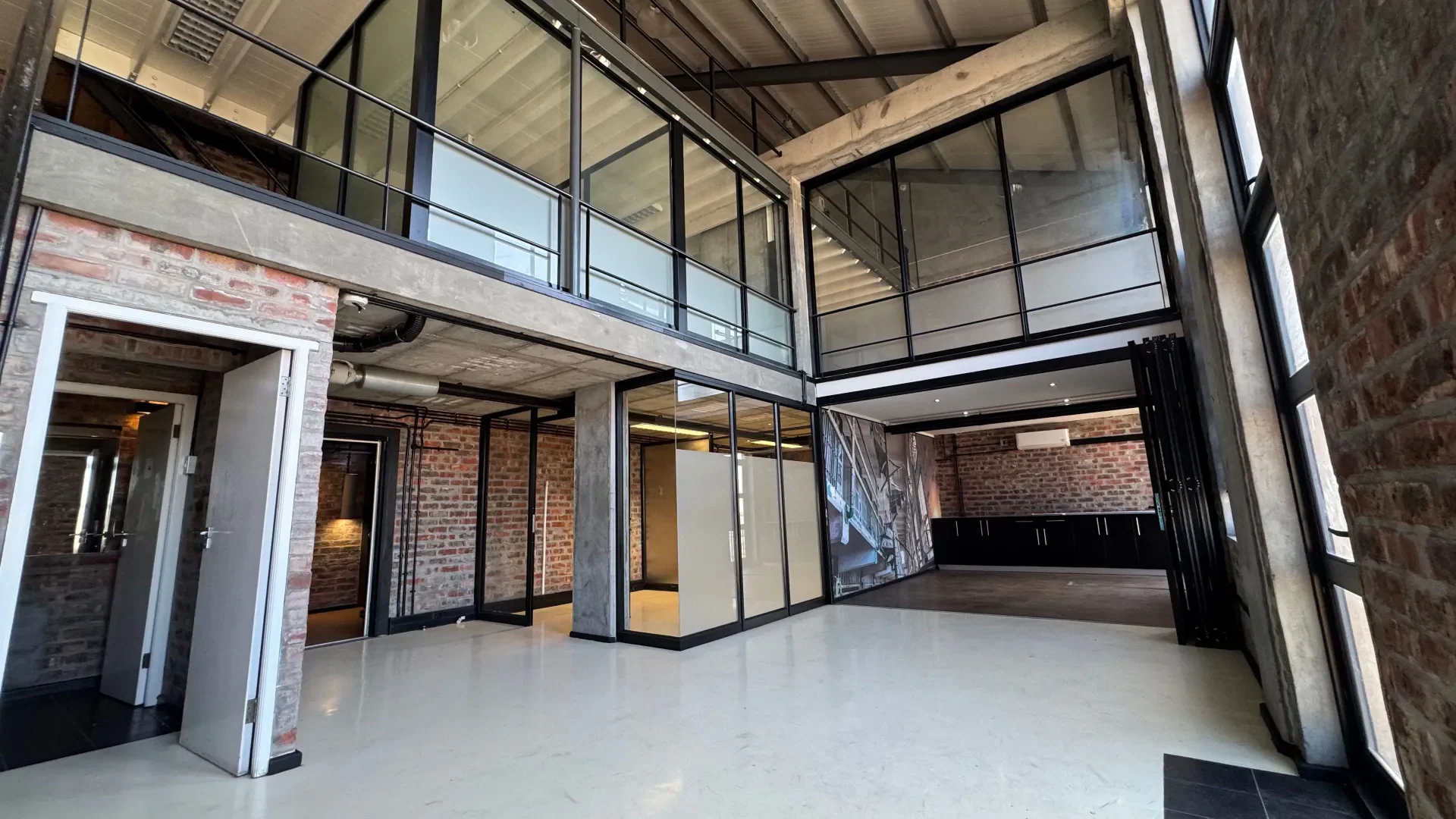
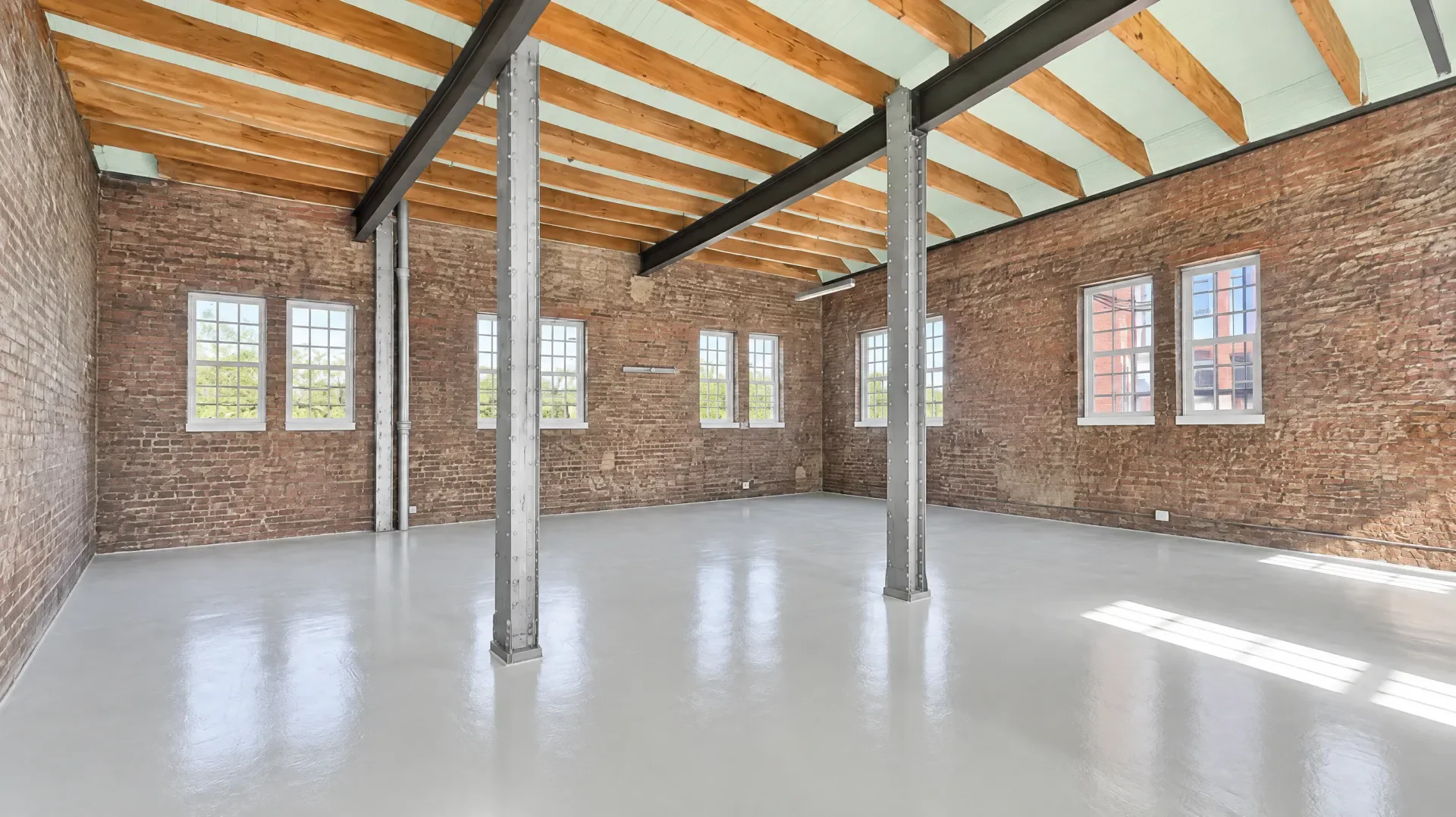
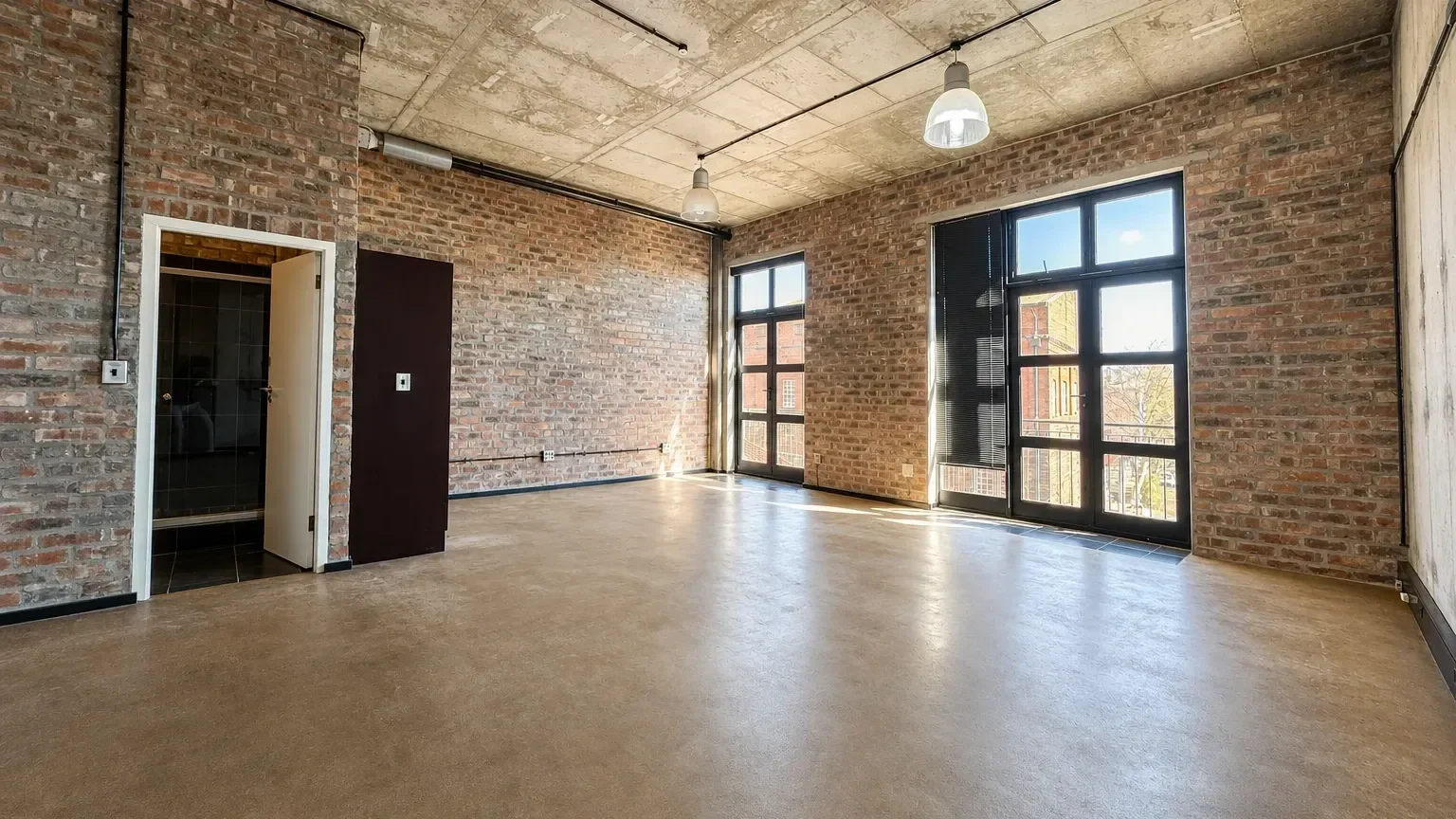
One of Woodstock’s defining commercial characteristics is its building stock.
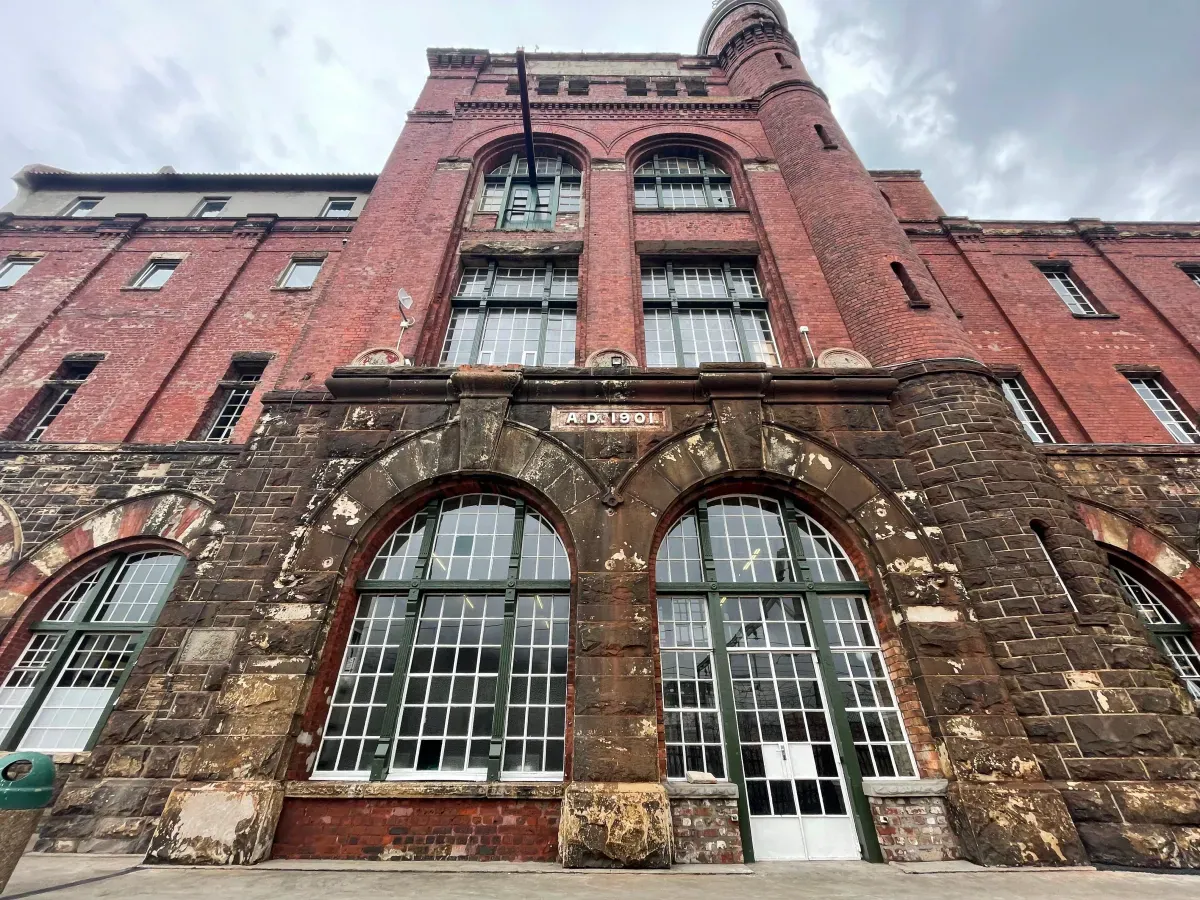
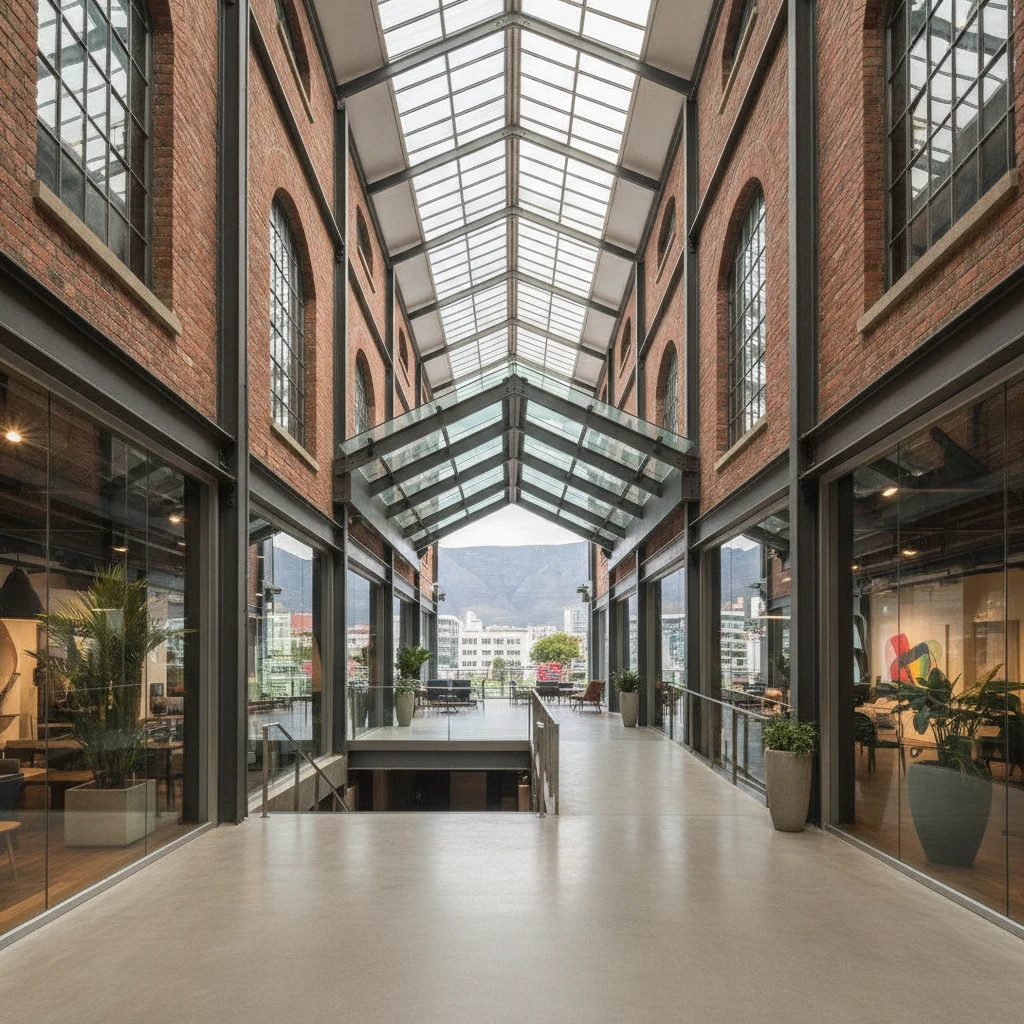
Unlike a conventional office district dominated by purpose-built towers, much of Woodstock’s commercial accommodation has been influenced by adaptive reuse.
Older industrial and commercial buildings have been converted or refurbished to accommodate modern businesses.
Depending on the property, this can result in:
Higher ceilings
Exposed brick, steel or concrete
Open-plan floorplates
Courtyards and outdoor areas
More flexible layouts
Larger volumes than conventional offices
A stronger industrial or architectural identity
The quality of these buildings varies considerably.
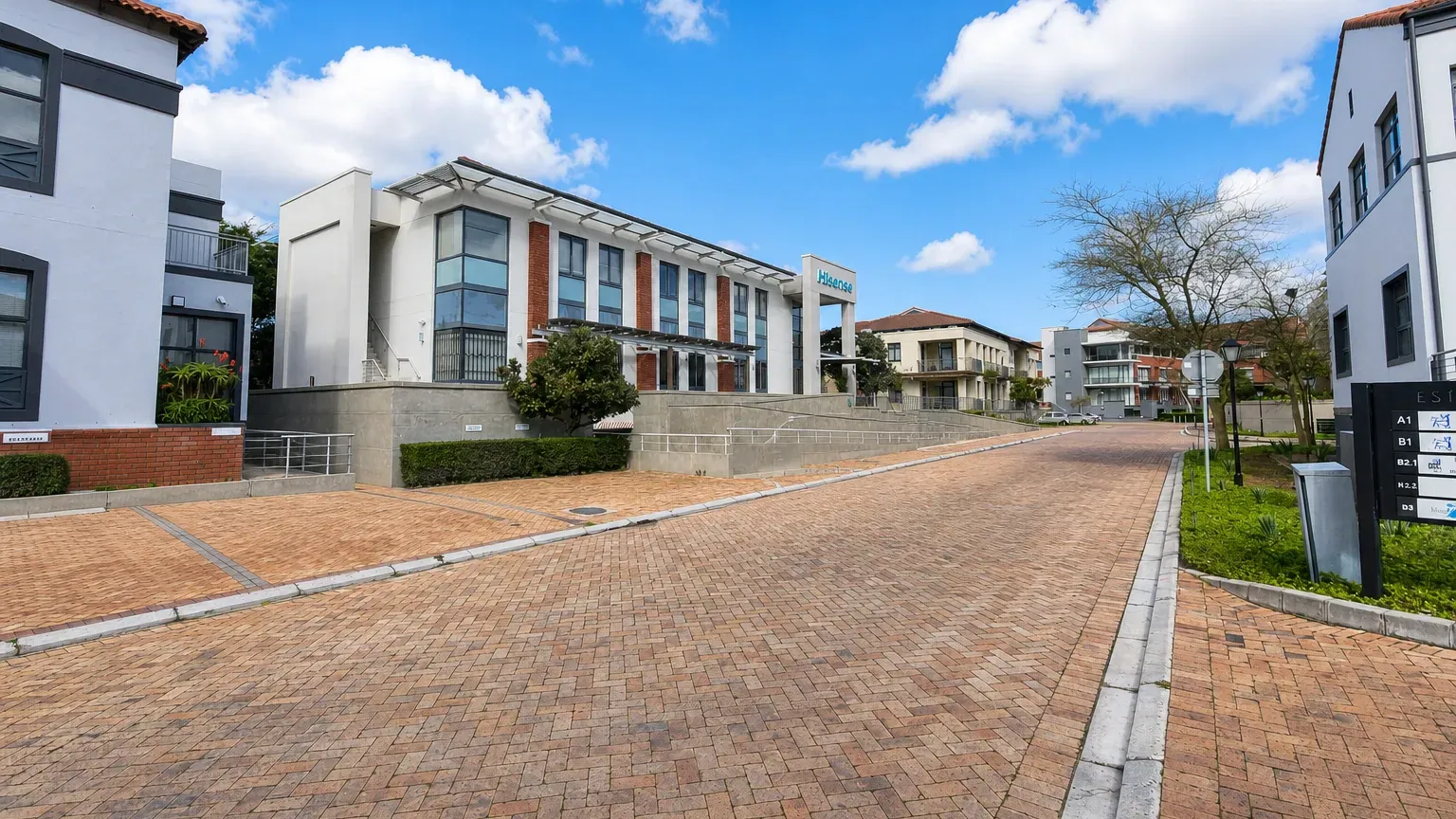
Some retain a relatively raw industrial character. Others have undergone substantial redevelopment and now provide contemporary office accommodation with professional reception areas, upgraded common spaces and modern building services.
This creates an interesting middle ground for businesses.
A company does not necessarily have to choose between a conventional CBD office and an industrial warehouse. Woodstock can offer workplaces that combine elements of both.
Buildings associated with this evolution include Woodstock Exchange, The Palms, Woodstock Studios, The District, The Boulevard, Tramway House and Brickfield Canvas.
They should not, however, be treated as interchangeable options.
Parking, access, security, backup power, floorplate size, fit-out quality and tenant mix can differ considerably.
When assessing a Woodstock office, businesses should therefore look beyond the photographs.
Walk through the building.
Understand how employees get from the parking area or street to the office.
Check the common areas, lifts, access control, fibre infrastructure, backup power arrangements and after-hours access.
In Woodstock, those details can materially change the experience of occupying the property.
Why businesses consider Woodstock
Close to the Cape Town CBD
One of Woodstock’s biggest commercial advantages is its position immediately outside the traditional Cape Town CBD.
Businesses can remain close to the central city, Foreshore and surrounding residential neighbourhoods without necessarily occupying a conventional CBD office tower.
For some companies, this offers the right balance.
They want proximity to the city but prefer a lower-rise building, more flexible floorplate or workplace with greater architectural character.
Woodstock also provides practical access to several of Cape Town’s major transport routes.
For businesses drawing employees or clients from different parts of the city, that accessibility can be important.
The specific commute should still be assessed against the actual building rather than Woodstock in general.
A workplace that can reflect the company’s identity
For certain businesses, the office is more than a place to put desks.
Advertising agencies, architects, design practices, media businesses, technology companies, fashion businesses and other creative occupiers may want their workplace to reflect their brand.
A converted industrial building with exposed structure, large volumes and flexible open-plan space creates a very different impression from a conventional corporate office tower.
That does not automatically make one option better than another.
It simply means Woodstock can suit businesses looking for a less formal or more distinctive working environment.
The surrounding restaurants, coffee businesses, galleries and mixed-use activity can also contribute to the employee and client experience.
For some companies, that environment is part of the attraction.
For others, parking, security and a highly controlled corporate environment will be more important.
A broad range of commercial formats
Woodstock is also difficult to define by a single type of office.
Available accommodation can range from smaller studios and converted loft-style offices to larger commercial floorplates and more conventional refurbished office space.
That variety allows the node to accommodate very different businesses.
A smaller company may need a modest suite.
A growing business may prioritise expansion potential.
A creative company may focus on architecture and character.
A professional services firm may care more about reception areas, client access, security and parking.
This diversity is one of Woodstock’s strengths, but it also makes straightforward rental comparisons difficult.
When comparing buildings, businesses should consider the total cost of occupation, not simply the advertised rental per square metre.
Parking, operating costs, utilities, backup power contributions, municipal recoveries, fit-out costs and lease incentives can materially change the financial comparison.
Woodstock is not one uniform commercial node
One of the biggest mistakes a tenant can make is treating Woodstock as one consistent office market.
Different parts of the suburb offer noticeably different environments.
Albert Road and the Old Biscuit Mill area
This is probably the part of Woodstock most closely associated with its creative reputation.
Restaurants, design businesses, retail, galleries, coffee operators and the Old Biscuit Mill contribute to a strong mixed-use environment.
For businesses wanting amenities and a recognisable Woodstock identity, this can be attractive.
However, activity around popular destinations can also affect traffic, parking and pedestrian movement.
Companies expecting regular clients or requiring substantial parking should assess individual properties carefully.
Sir Lowry Road
The Sir Lowry Road corridor provides a strong connection between Woodstock and the Cape Town CBD.
It includes a number of larger commercial properties and adaptive-reuse developments, making it relevant to businesses requiring more substantial office accommodation.
Properties around this corridor may provide a more conventional commercial environment while still offering some of the architectural character associated with Woodstock.
Again, specification varies significantly between buildings.
A refurbished commercial property can provide a very different tenant experience from an older building only a short distance away.
Woodstock and Salt River
As Woodstock transitions towards Salt River, the mix of commercial and industrial property becomes increasingly apparent.
Creative offices, older industrial buildings, workshops and adaptable commercial spaces can all form part of the landscape.
This may suit businesses requiring larger volumes, flexible layouts or a combination of office and operational space.
A business depending heavily on formal client interaction may have different priorities.
Upper Woodstock
Upper Woodstock has a stronger residential character with more limited commercial activity in comparison with the main commercial corridors.
Certain businesses may value the quieter environment, but available stock, access, parking and operating conditions need to be assessed property by property.
Why Woodstock is commercially different
Woodstock’s most interesting commercial characteristic is that much of its property sits somewhere between the conventional corporate office and the traditional industrial building.
That distinction matters.
Businesses can sometimes secure:
Larger volumes
Flexible floorplates
Industrial architectural character
Modern office finishes
Proximity to the CBD
Access to surrounding amenities
That combination is difficult to replicate in many conventional office nodes.
For some occupiers, the workplace itself can become part of the business proposition.
For others, a conventional office building in the CBD, Century City, Claremont or another established node may provide a better operational fit.
The Woodstock name alone should therefore never determine the property decision.
The specific building, immediate surroundings and occupancy costs matter more.
Woodstock is not right for every business
The “Brooklyn of Cape Town” label can create the impression that Woodstock is universally trendy, polished and suitable for almost any business.
That is not the case.
Businesses should pay particular attention to:
Parking: Ratios and availability vary considerably between properties.
Security: Building access and the immediate street environment should be evaluated, particularly where employees work outside normal office hours.
Backup power: Generator and inverter provision is building-specific and should be confirmed before signing a lease.
Building specification: Converted properties vary substantially in maintenance, services and quality.
Client experience: A business receiving large numbers of visitors may have different requirements from a creative studio or back-office operation.
Immediate location: Woodstock can change quickly from one street to the next.
These are not necessarily reasons to avoid the area.
They are reasons to assess the property properly.
In a relatively uniform office precinct, businesses can often compare buildings primarily on rental, size and parking.
In Woodstock, the individual building and its immediate context deserve considerably more attention.
What to check before leasing office space in Woodstock
Start with the operational requirement rather than the reputation of the suburb.
Determine:
How much office space is actually required
How many parking bays are essential
Where employees travel from
How frequently clients visit
Whether employees work outside normal business hours
Whether backup power is essential
Whether the business needs public transport access
How much flexibility is required in the layout
Then inspect shortlisted properties at different times of the day.
A morning visit may reveal a different traffic and parking environment from an afternoon viewing.
Businesses relying heavily on public transport should also consider how employees will reach the specific building rather than looking only at its position on a map.
Finally, compare the total occupancy cost.
The rental is only one component.
Depending on the property, businesses may also need to account for parking, utilities, operating costs, municipal recoveries, backup power charges, fibre, security and tenant installation costs.
A cheaper rental does not always result in a cheaper office.
How does Woodstock compare with other Cape Town office nodes?
Businesses considering Woodstock will often also look at areas such as the Cape Town CBD, Foreshore, Century City, Salt River and the Southern Suburbs.
Each offers something different.
The CBD provides a more traditional central business environment with a significant concentration of corporate offices.
Century City offers a more planned commercial environment with modern office buildings and structured precinct management.
Claremont and the Southern Suburbs can be attractive to companies whose employees, clients or directors are concentrated in those areas.
Woodstock competes differently.
Its attraction lies in combining CBD proximity with more varied building stock and a stronger industrial or creative identity.
That distinction is ultimately more useful than trying to position one office node as universally better than another.
So, is Woodstock really the Brooklyn of Cape Town?
As a cultural comparison, there are clear reasons why the description has gained traction.
Woodstock combines industrial architecture, independent businesses, street art, galleries, coffee culture and a recognisable urban identity.
But commercially, the more interesting story is not that Woodstock is becoming Brooklyn.
It is that Woodstock has developed into a distinct alternative to Cape Town’s conventional office nodes.
The suburb offers businesses access to unusual buildings, flexible layouts, the CBD and an established mix of amenities without necessarily occupying a traditional corporate office environment.
It also remains uneven.
Woodstock has not lost its industrial character and should not be treated as a finished or uniform business precinct.
That is precisely why property selection matters.
For a business looking at Woodstock, the important question is not whether the suburb is fashionable.
It is whether the combination of location, building quality, access, parking, security, workspace character and total occupancy cost suits the way the company operates.
Businesses considering the area should therefore compare specific properties rather than relying on Woodstock’s reputation alone.
Explore office and commercial property to rent in Woodstock with Brightwave Commercial Property, or speak to our team for a shortlist based on your business requirements.