The Old Castle Brewery, Woodstock: More Than Just Bricks and Beer
Walk down Beach Road in Woodstock today, and you'll see a bustling urban centre, a hub of creativity and commerce. But look closely at the Old Castle Brewery building, with its towering spire and fortress-like presence, and you're looking at a structure that has witnessed over a century of Cape Town's dramatic evolution. What many don't realise is that the name 'Beach Road' isn't just a quirky historical relic. Up until the 1950s, Woodstock actually had its own sandy beach, stretching along what is now a landlocked urban pocket. The ocean was literally pushed back to make way for highways, harbour expansions, and industrial land, transforming a quaint coastal town into the dynamic node we know today.
As a broker who's spent years navigating the ins and outs of Cape Town's commercial property market, I've seen countless buildings come and go, adapt and transform. But few tell a story as rich and compelling as the Old Castle Brewery. It's a prime example of adaptive reuse done right, a building that has not only survived but thrived through multiple identities. It's a landmark, a piece of history, and a seriously attractive commercial offering all rolled into one.
From Boer War Demand to a Brewing Fortress
A Marketing Masterpiece in Stone
The turn of the 20th century was a thirsty time in South Africa. The Boer War created an immense demand for beer, and Castle Lager, already a rising star, saw an opportunity. They didn't just want a new brewery; they wanted a statement. So, in a stroke of marketing genius, they decided to build a literal castle to brew Castle beer in. The design, still visible on the beer label today, was a bold move.
Designed by renowned New York architect and engineer H. Steinmann, the brewery was the second American-style brewery in South Africa. Construction began in 1900 and, despite internal disputes and the disruptions of the Second Boer War, it was completed in 1902. This wasn't a cheap build either; the entire project cost a staggering £120,000 back then, a monumental sum for the time. Every beam, every brick, and even the cutting-edge steel and glass-enamelled fermentation tanks from the Pfaudler Company in Rochester, New York, were shipped from the United States, personally overseen by Steinmann himself.
Engineering for Eternity (and Trains)
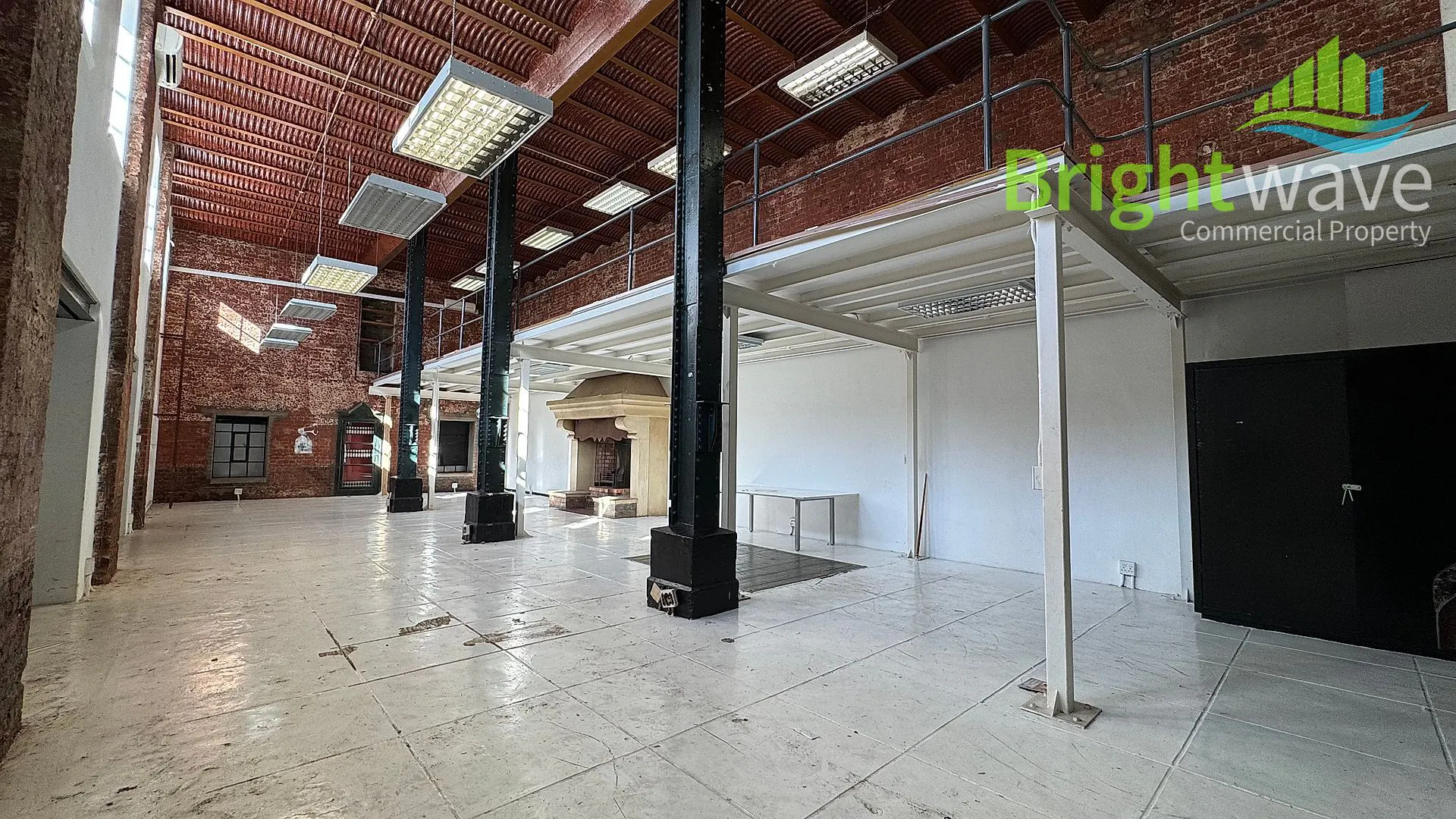
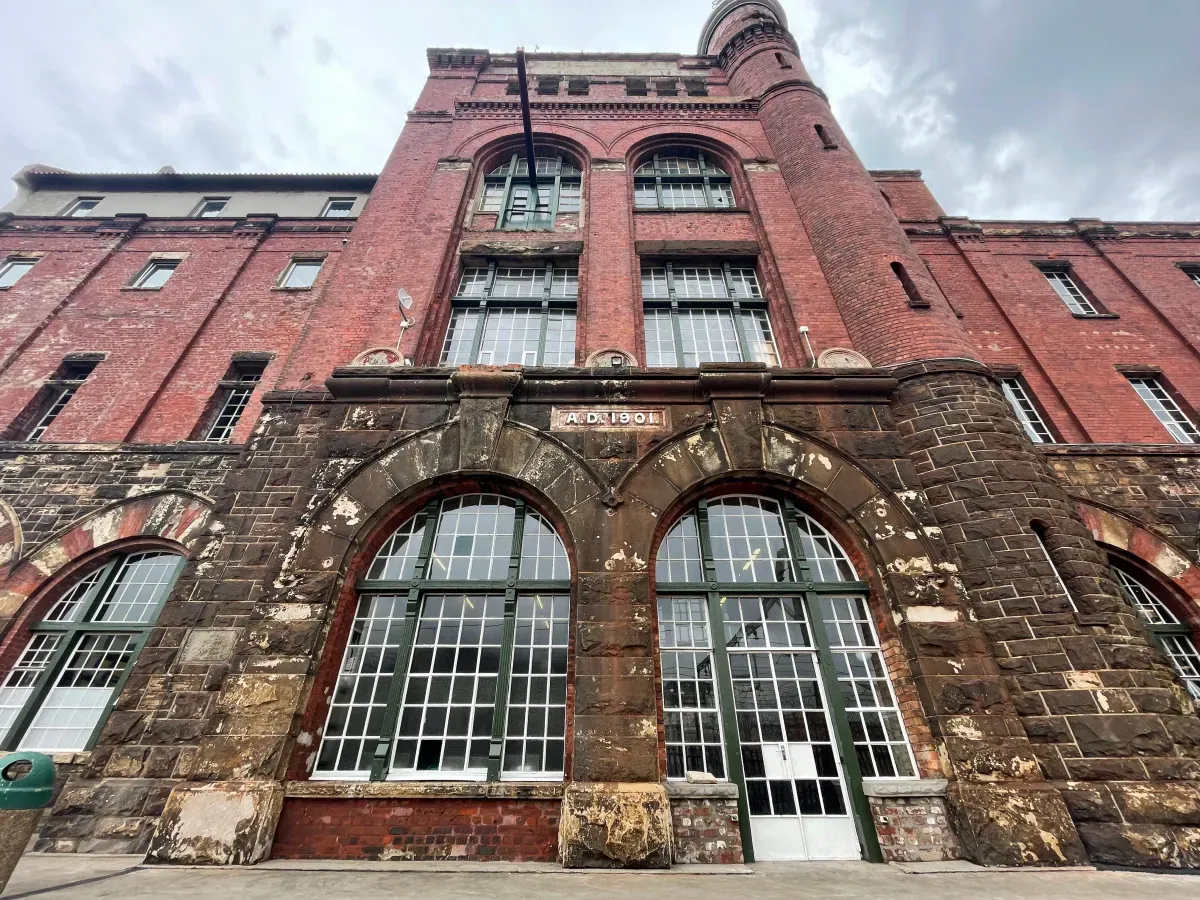
Older Cape Town breweries had a rather unfortunate habit of catching fire. Steinmann's design for the Old Castle Brewery was different. It was built with a fireproof steel skeleton frame, a massive innovation for its time. The structure boasts solid English bond brickwork, and its imposing base is built from Table Mountain sandstone, grounding it firmly in the local geology. Visually, it was designed to evoke medieval Europe, complete with pointed arches, turrets, a castle tower with a spiral staircase, a mansard roof, and even decorative cannons and dungeons. Some floors soar up to 6 metres high, creating grand, voluminous spaces that are highly sought after today.
Interestingly, while modern architects obsess over northern light, Steinmann's focus was different: trains. The most prominent face of the building was deliberately positioned towards the newly built railway line. Back then, trains were the primary mode of transport for the upper-class crowd, a cleaner, faster choice than the muddy, horse-manure-filled streets below. It was a strategic placement, ensuring maximum visibility for the Castle brand to a captive, affluent audience.
The Great Transition: From Lager to Logistics to Landmark
When Castle Moved On
The Old Castle Brewery served as a critical production hub and even the primary corporate headquarters for South African Breweries (SAB) for many years. In fact, in 1950, SAB relocated its corporate headquarters from London to South Africa, making the Woodstock site a central command point for a rapidly growing national powerhouse. However, this era of the brewery as a headquarters concluded in 1955 when SAB moved its entire brewing operation to Newlands. The new site offered pristine mountain water, pumped via servitude directly from the catchment area, which was deemed perfect for beer-making. There, Castle merged with Ohlsson's, the Lion brand, and the grand castle in Woodstock was left behind.
When Castle moved out, the building took on a completely different life. I&J, the fishing giant, moved in and transformed much of the building into industrial cold rooms. Thick cables were installed, massive cold rooms were constructed, and many of those distinctive arched windows were bricked up. The fortress-like brewery became a fishy storage site, a far cry from its original purpose.
A Vision for Revival: The Otten + Partners Story
By the 1980s, the once-iconic castle was, frankly, in ruins. It was a run-down industrial relic, its heritage obscured by decades of utilitarian modifications. This is where Willem Otten, director of Otten + Partners Architects, entered the picture around 1984. At that time, astonishingly, the brewery wasn't even a protected heritage building. Willem and his team embarked on a painstaking restoration project, a labour of love to undo decades of industrial alterations, remove heavy cold-room infrastructure, and reopen those bricked-up windows.
One of the most symbolic aspects of this restoration was the tower. Every castle needs a tower, but the original cone-shaped roof had decayed beyond repair. Rebuilding it was an expensive undertaking, offering no direct rental return. Yet, the team went ahead. They built the new witch-hat roof on the ground with a steel frame and timber cladding, finished with thin slate tiles, and then craned it into place in 2003. A local mountain climber even volunteered to unhook the pointy tip at the very top. Today, that restored 40-metre-high tower crowns the castle perfectly, a testament to a vision that prioritised heritage and architectural integrity.
Today, Willem's company owns 90% of the sectional title building and manages it in-house, ensuring its continued care and relevance. This building is a shining example for other heritage sites in Cape Town, showing what's possible with vision and dedication, a point often highlighted by organisations like SAPOA in their discussions on urban regeneration.
Woodstock's Creative Heartbeat: What The Old Castle Brewery Offers Today
A Thriving Ecosystem of Innovation
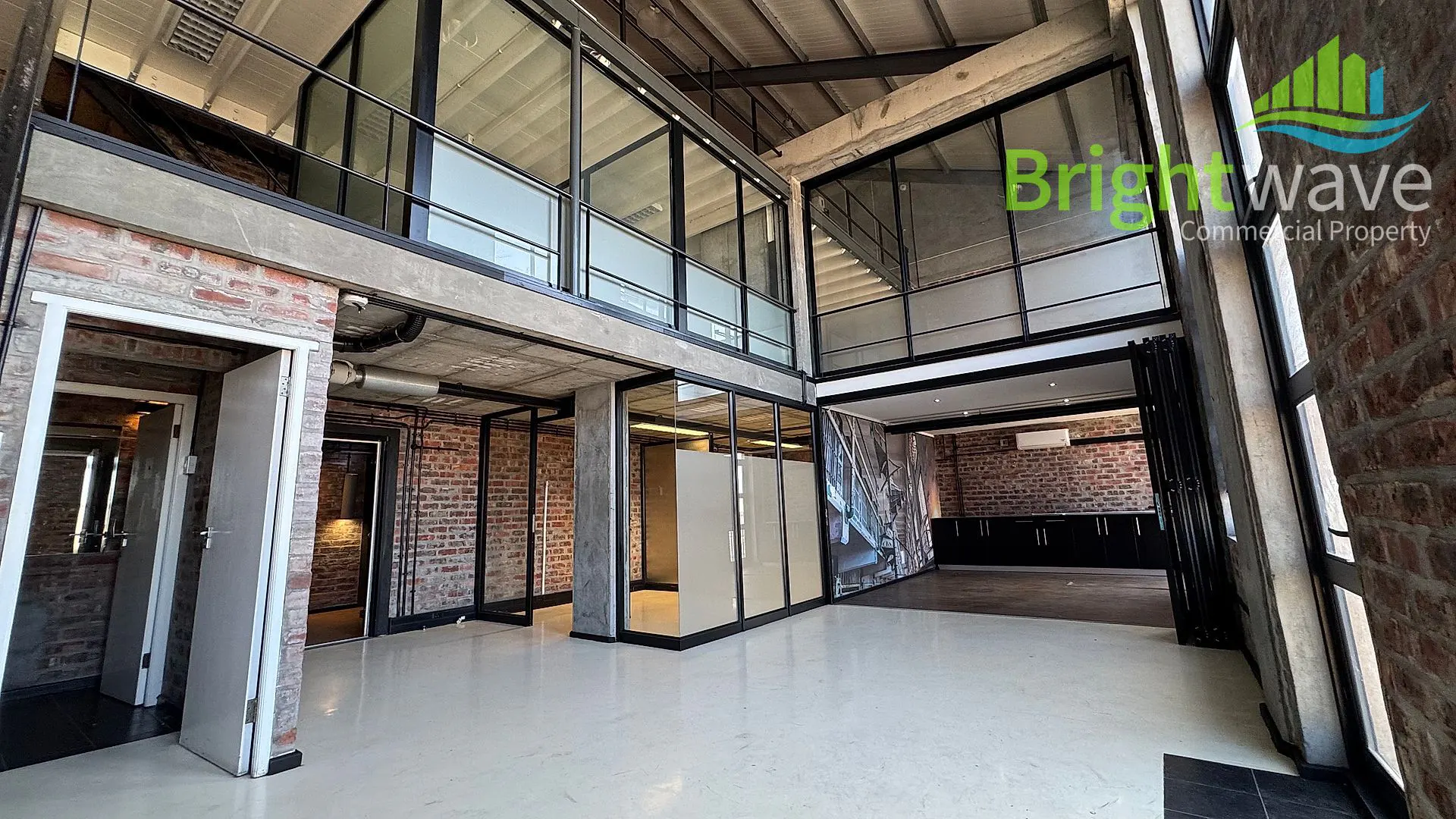
Fast forward to today, and the Old Castle Brewery is a vibrant, creative hub. It's 90% let, housing around 90 tenants in total. This isn't your typical corporate park; it's a lively mix of creatives, architects, production houses, casting agencies, advertising agencies, film and post-production companies, leather goods makers, and dress designers. It's a melting pot of innovation, where collaboration is almost inevitable. This kind of dynamic environment is exactly what makes Woodstock such an attractive node for businesses looking for more than just four walls and a desk.
The Practicalities: Space, Price, and Parking
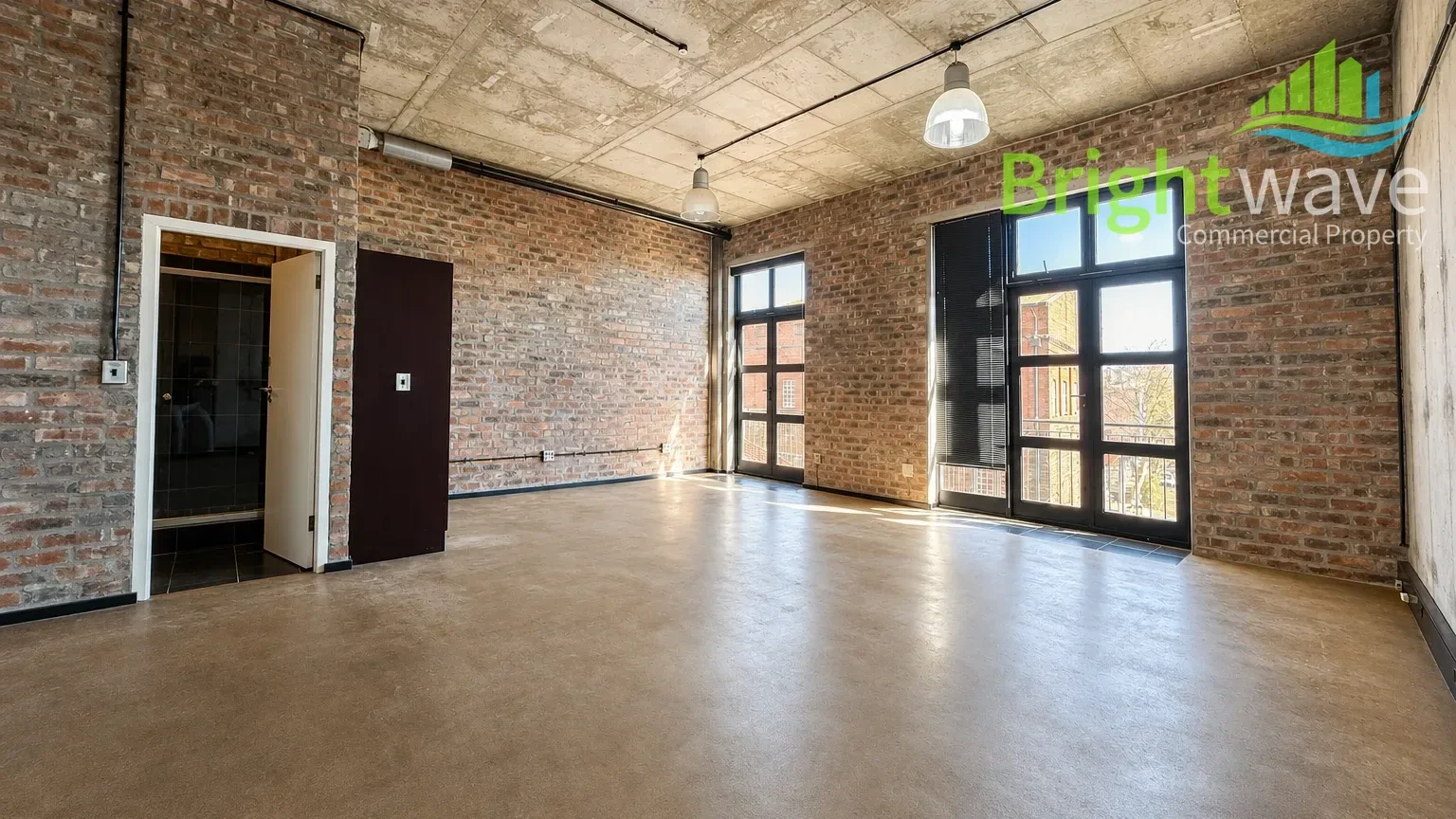
From a commercial property perspective, the Old Castle Brewery offers some compelling advantages. Office sizes range from a comfortable 190m² up to a substantial 562m². Rental rates are competitive for the area, sitting between R175/m² and R190/m² ex VAT. When you compare this to some of the newer, less characterful developments in nearby nodes like Salt River or Observatory, you're getting immense value, not just in space but in brand association and unique aesthetic.
And then there's the parking. In Woodstock, parking is gold, and the Old Castle Brewery delivers. With over 250 bays on-site, averaging R900/bay ex VAT, it addresses one of the biggest pain points for businesses in the area. This is a significant drawcard, making it a practical choice for tenants who might otherwise struggle with accessibility in this increasingly popular urban precinct. The availability of such ample parking, coupled with its proximity to major transport routes and the MyCiTi bus network, makes it highly accessible.
My Take: Why This Woodstock Gem Still Shines
In my experience, buildings like the Old Castle Brewery are rare. They offer a unique blend of history, character, and modern functionality that new builds simply can't replicate. For tenants in the creative industries, or any business looking to make a statement about their brand, this building provides an unparalleled backdrop. It's not just an office; it's an identity.
The careful restoration and ongoing management by Otten + Partners Architects mean that the building is not just preserved, but actively enhanced. They've understood that the value here isn't just in the square metres, but in the story, the aesthetic, and the community it fosters. This commitment to heritage and quality sets it apart from many other commercial offerings in the broader Cape Town CBD and surrounding areas.
I believe the Old Castle Brewery is currently undervalued when you consider the unique offering, the prime Woodstock location, and the scarcity of truly iconic heritage commercial spaces. It's a building that will continue to appreciate, not just in monetary terms, but in its cultural and commercial significance to Cape Town.
Looking Ahead: Your Next Move in Woodstock
More than a century after its first brew bubbled to life, the Old Castle Brewery stands as a rare example of a building that has lived multiple lives, each layer telling a story of the city’s growth, thirst, industry, and creativity. It’s proof that buildings can outlive their original purpose and thrive again. What started as a bold marketing play for a beer brand has become a creative stronghold for Cape Town’s makers, storytellers, and designers. It’s not just bricks and turrets; it’s a living reminder that with care, vision, and a little audacity, the city’s past can be reimagined to fuel its future.
If you're a business looking for office space that offers more than just a desk, a space that inspires and connects, then the Old Castle Brewery should be high on your list. Its unique character, combined with excellent amenities and a vibrant tenant mix, makes it a compelling choice in the competitive Cape Town market. Don't just look for an office; look for a home for your brand's story.
Ready to explore this iconic building or other unique commercial opportunities in Woodstock or other nodes like Century City or Claremont? Get in touch with us today, or search available properties on our site. We're here to help you find the perfect space that tells your story.