Some Cape Town buildings need an introduction. 1 Thibault Square is not one of them.
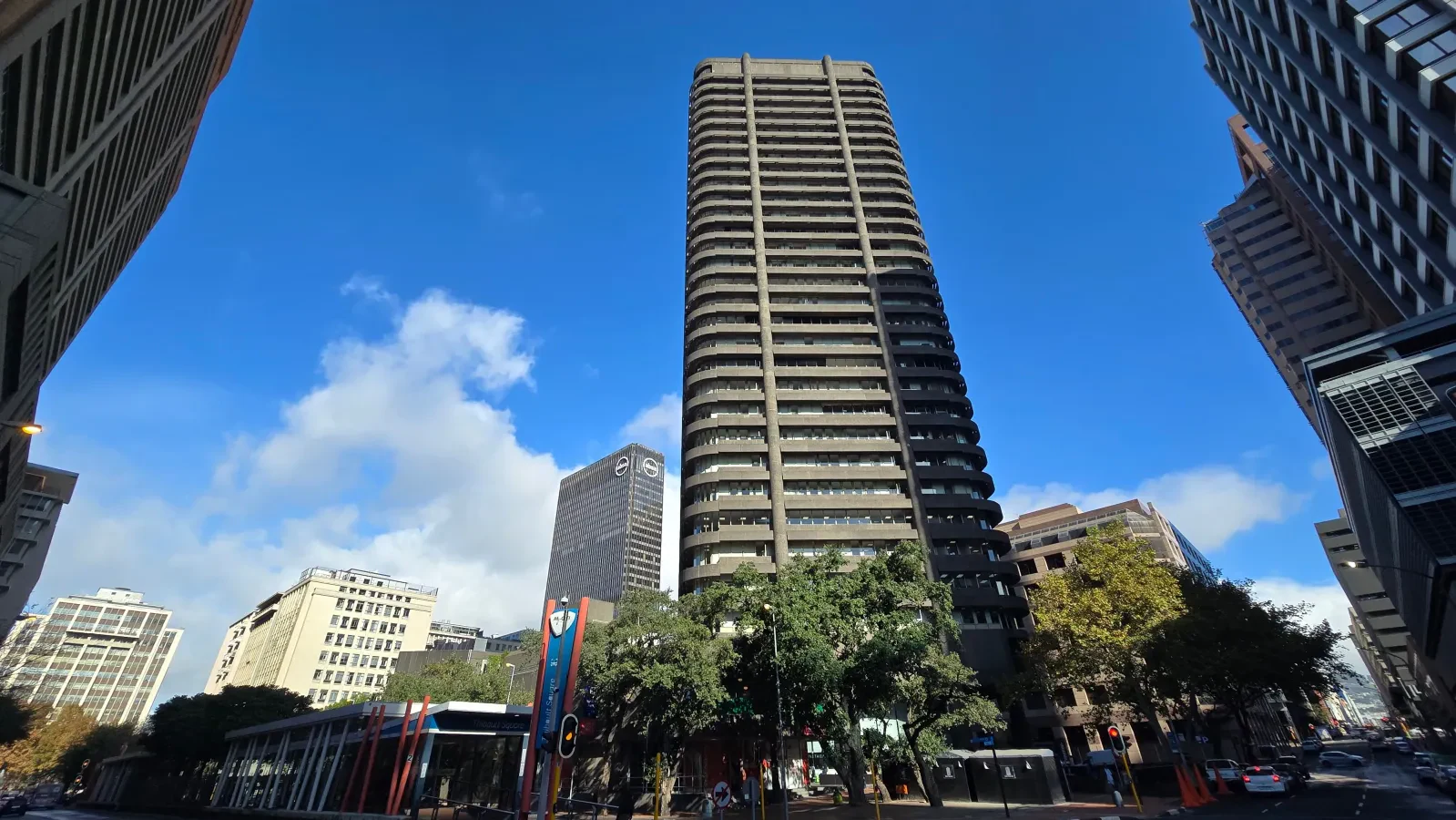
From the end of St George’s Mall, its dark, angular form rises above the CBD. For decades, it was known as the BP Centre, later the LG Building, and today it is firmly established as 1 Thibault Square. The name has changed, but the address has not.
For office tenants, that matters. A good address should be easy to find, simple to explain and recognised by clients. This building delivers all three. It also offers something that many CBD offices cannot: exceptional height and views across Table Mountain, the harbour and the Atlantic.
As a broker, I see plenty of office buildings across Cape Town. The ones that continue to attract attention are not always the newest. They are the buildings that combine access, quality, amenities and a location people actually enjoy using. 1 Thibault Square fits that description.
Why office demand still favours well-located CBD buildings
The office market has changed. Tenants are more selective about how much space they take, where they take it and what the building offers beyond four walls. A dated office in a difficult location is a tough sell. A well-managed building with strong amenities and a memorable address is a different proposition.
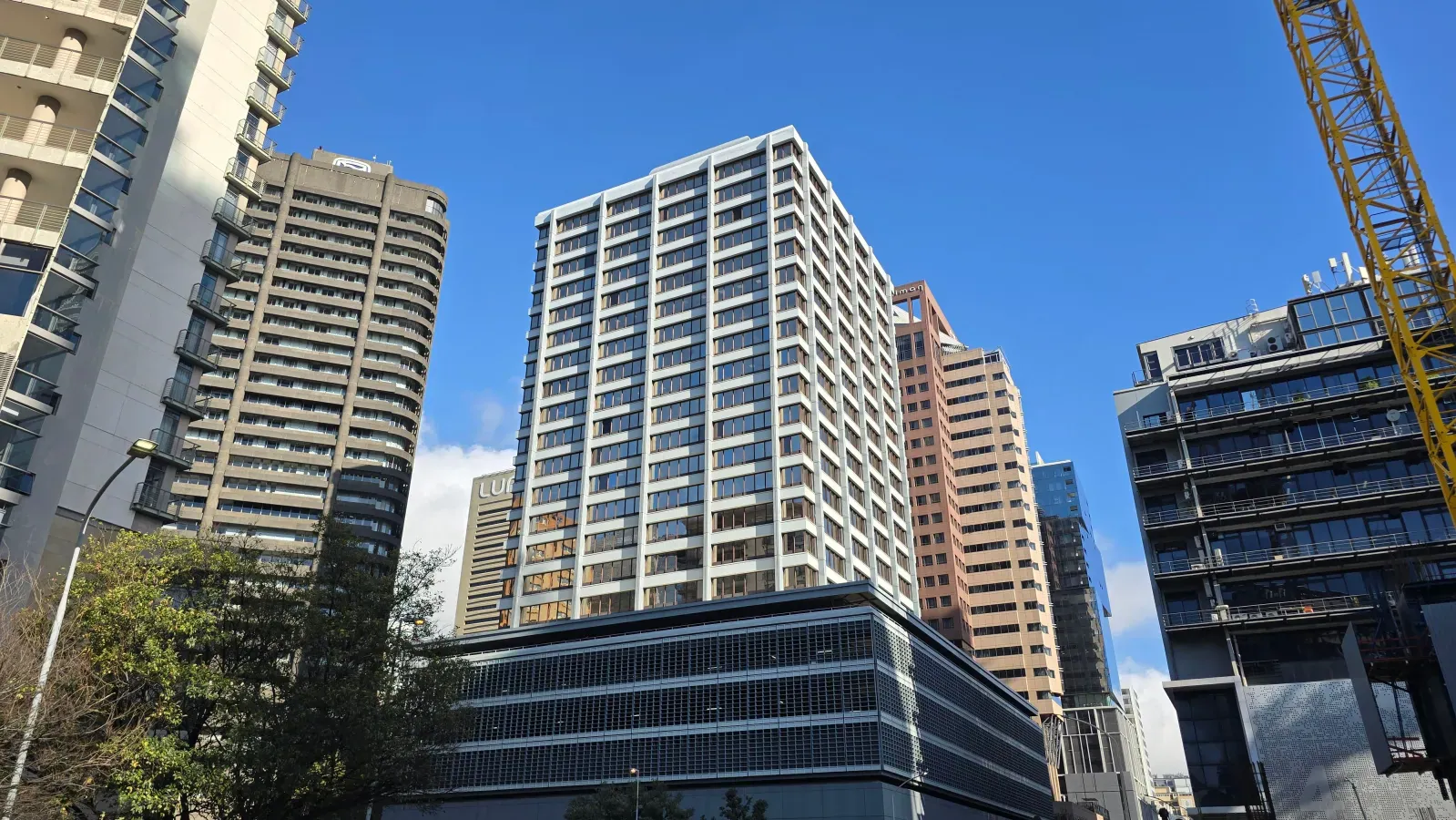
That is where 1 Thibault Square has an advantage. It sits at the northern end of St George’s Mall, at the meeting point of Long Street and Hans Strijdom Avenue. The location connects the historic CBD to the Foreshore and puts tenants close to some of Cape Town’s most important commercial and leisure destinations.
The Cape Town International Convention Centre is nearby. So are the V&A Waterfront and the Cape Quarter. The building is also served by the wider city transport network, including MyCiTi services. For staff, visitors and clients, that centrality removes a lot of friction from the working day.
It is also useful for companies that want access to the broader CBD without giving up the convenience of the Foreshore. Tenants comparing office space in the Cape Town CBD with options in Century City or the Foreshore should look closely at where their employees and clients are travelling from. The right building can be more valuable than a slightly cheaper rental in the wrong node.
A landmark building with a serious architectural identity
1 Thibault Square was completed in 1972 after construction began in 1969. It was designed by Revel Fox and Partners and built by Murray and Stewart. At approximately 126 to 129 metres high, the tower has 32 storeys, or 35 levels when service levels are included.
Those figures still make an impression. More importantly, the building does not look like a standard rectangular office block. Its orientation is rotated by approximately 34 degrees from the conventional Cape Town street grid. That diagonal stance gives the tower its distinctive presence and helps it act as a visual marker at the end of St George’s Mall.
The design is modernist, with clear Brutalist influences. Concrete and dark granite give the building a substantial, almost sculptural quality. There is no attempt to hide the structure behind decorative detailing. It is direct and confident.
That character is part of the value. A tenant in 1 Thibault Square is not simply leasing space in an anonymous commercial building. The address carries history. It is a recognised part of the Cape Town skyline and one of the buildings people use to orient themselves in the city.
Renovated office space for modern occupiers
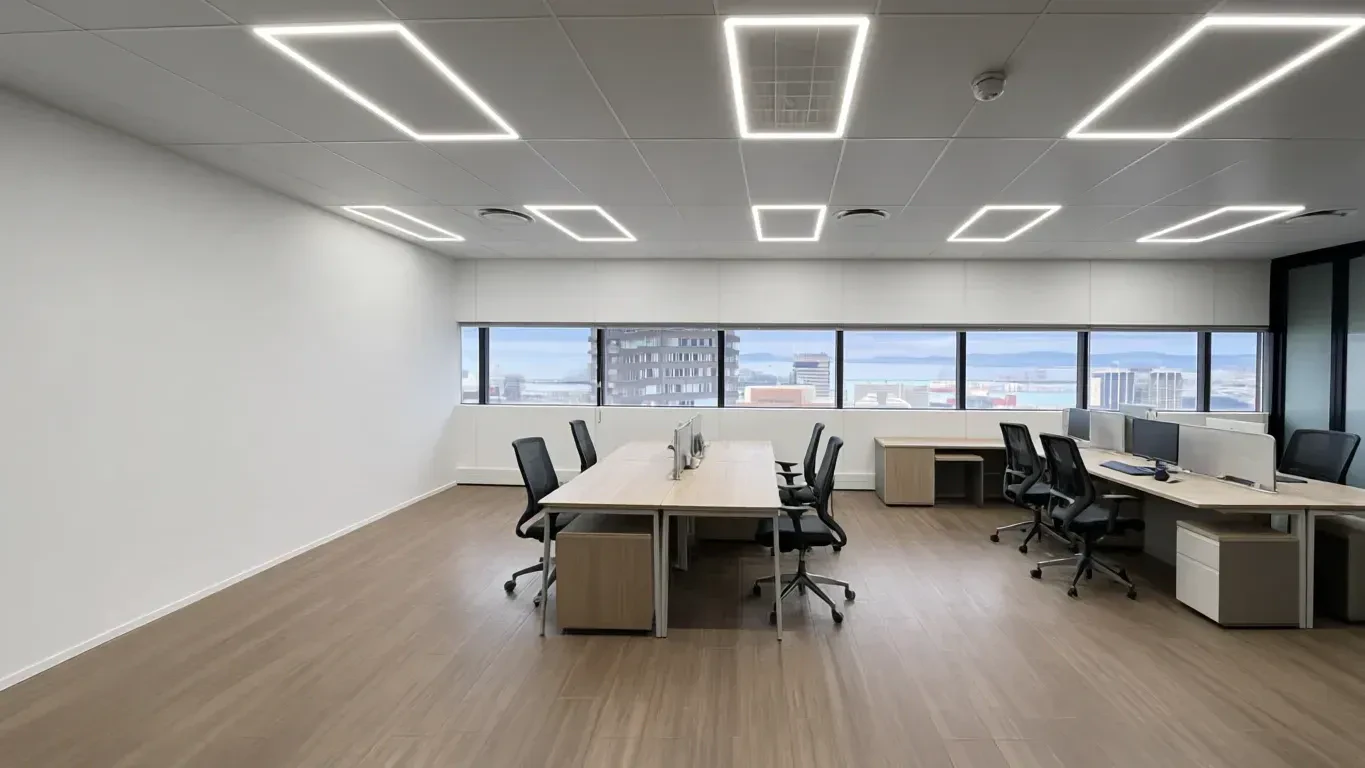
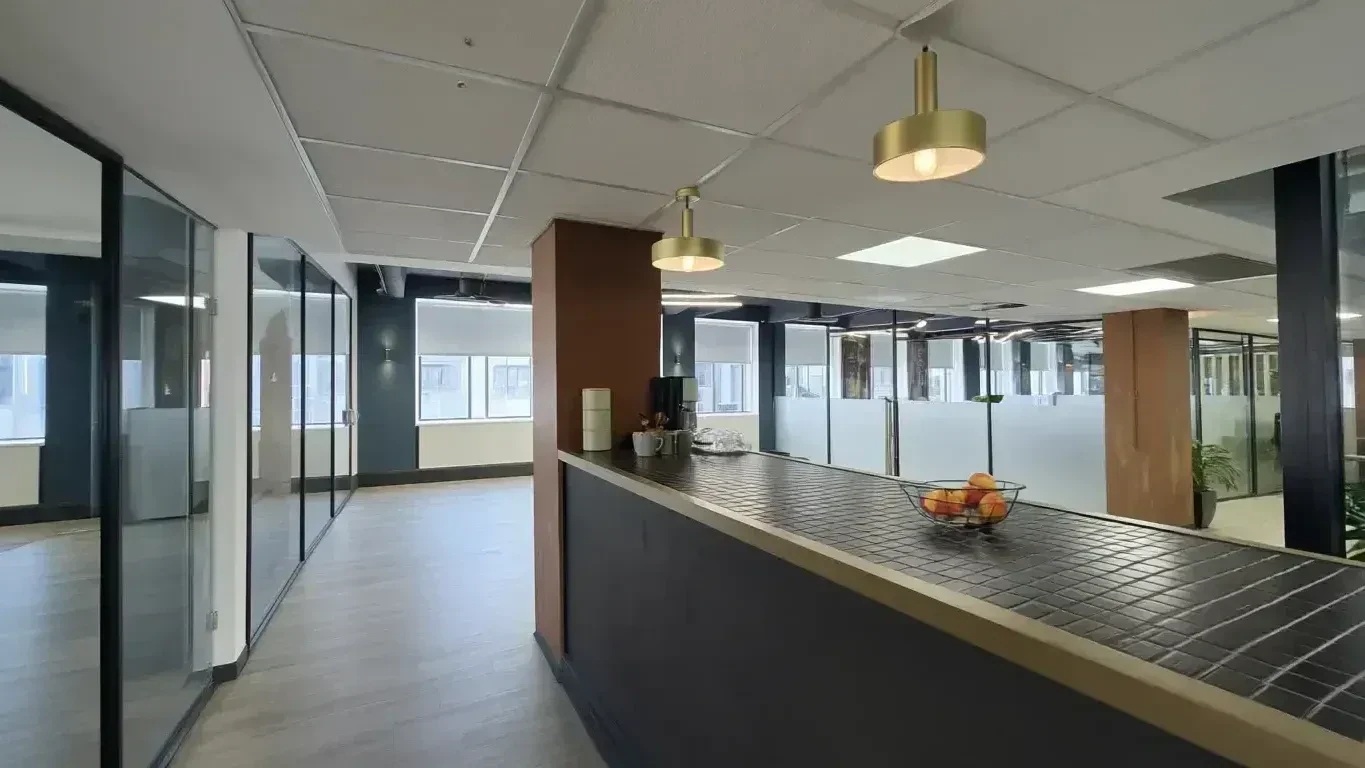
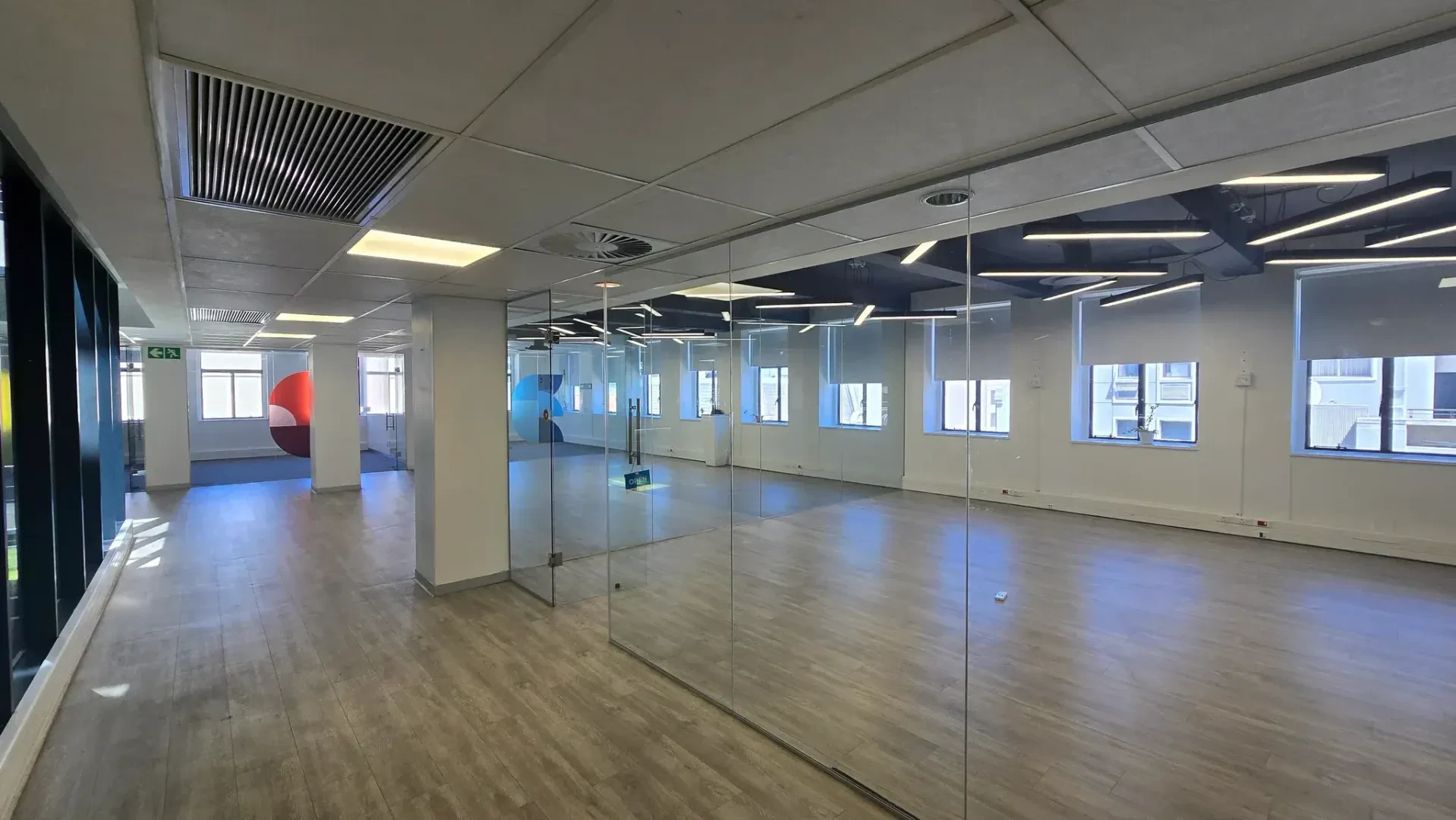
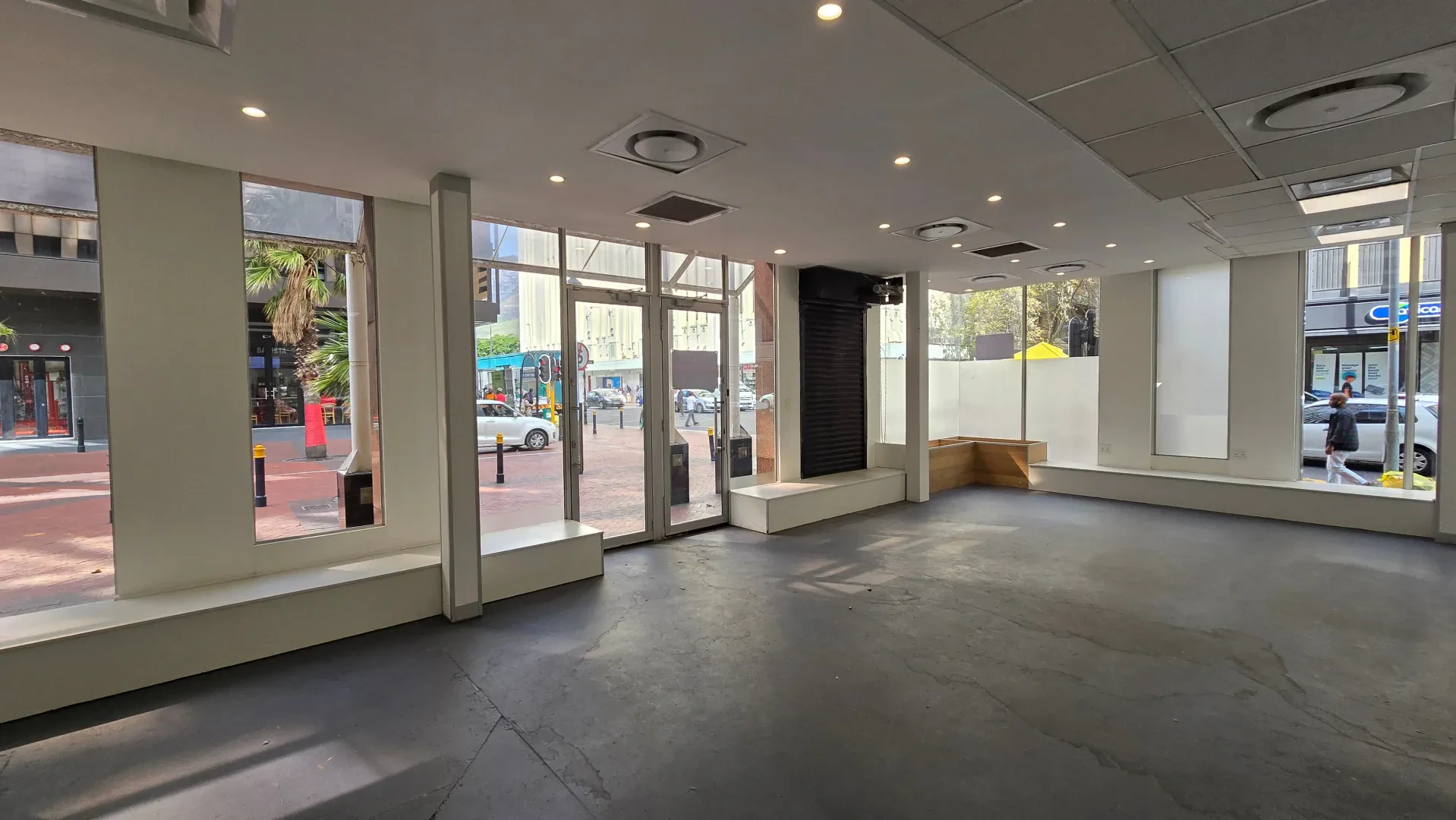
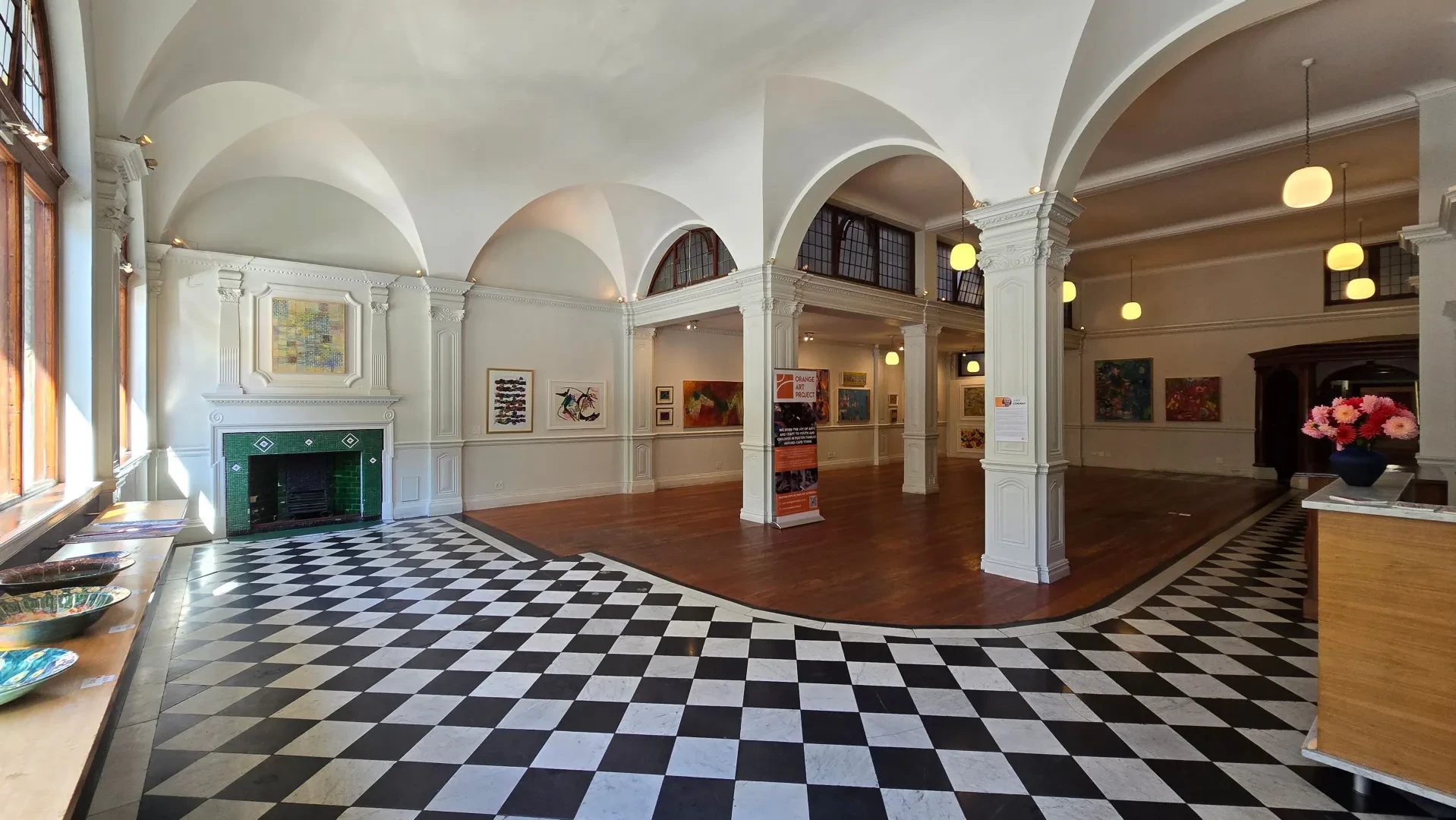
The building has been adapted for contemporary use rather than left as a relic of the 1970s. Its recent renovations have improved the experience for tenants and visitors, while retaining the architectural qualities that make the tower recognisable.
This balance is important. Older landmark buildings can easily lose their appeal if the interiors, services and shared areas are not brought up to current expectations. At 1 Thibault Square, the office component has been repositioned as A-grade commercial space, with approximately 14,000 square metres of office accommodation on the lower 18 floors.
For businesses, the practical question is not whether a building has an interesting history. It is whether the space works. The renovated environment, central address and vertical profile make the building suitable for businesses that want a polished CBD presence without moving into a generic new-build environment.
Tenants should still assess the details that affect their occupation. Ask about the exact specification of the available suite, backup power, air conditioning, parking allocation, access control, operating costs and the landlord’s planned works. Building quality is not only about the lobby. It is about how consistently the property performs on an ordinary Tuesday afternoon.
The views are more than a marketing line
At this height, the outlook is a genuine workplace benefit. Depending on the aspect and level, offices can enjoy views towards Table Mountain, the harbour or the Atlantic Ocean.
That changes the feel of a workplace. Natural outlook gives staff a break from screens and makes meeting rooms more memorable. It also helps a company make an impression when clients visit. A good view will not fix a poor business, of course, but it can improve the daily experience of a strong one.
In a market where tenants are asking what will encourage people to return to the office, this matters. An office that feels connected to the city has a better story than a sealed floorplate in an isolated node.
Amenities that support the working day
The building’s appeal is not limited to its office suites. One of the standout amenities is the on-site gym. That gives tenants a convenient option before work, during a lunch break or at the end of the day, without adding another trip to the diary.
It is a small point until you speak to staff who spend an hour travelling to and from a separate gym. Amenities inside the building can support retention and help employers create a more attractive office routine.
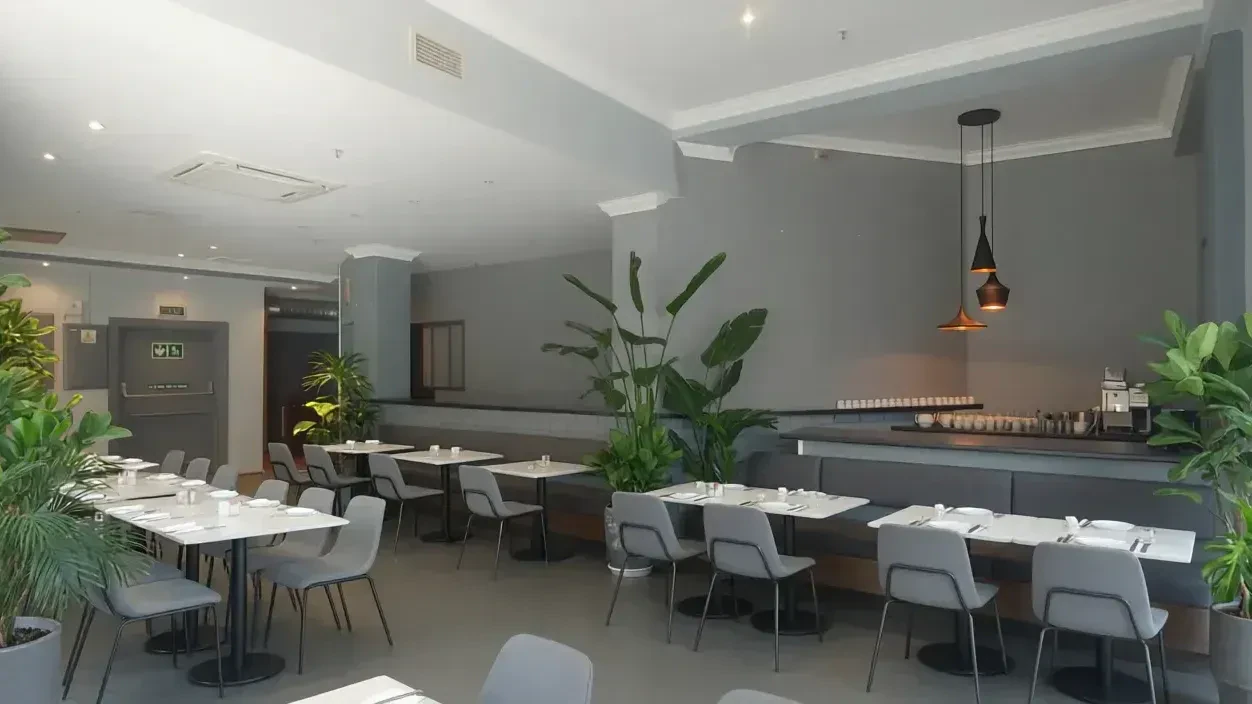
The surrounding environment adds to that benefit. Thibault Square and St George’s Mall provide a pedestrian setting, with the wider CBD offering access to restaurants, cafés, retail and professional services. The proximity of the CTICC and the V&A Waterfront is useful for meetings, events and after-work hospitality. For companies that entertain clients, that is a practical advantage.
Tenants considering a move should compare the whole workplace offer, not only the quoted rate. A cheaper office that leaves staff travelling further for lunch, fitness or meetings may not be cheaper once the human cost is considered.
From BP Centre to mixed-use landmark
The history of 1 Thibault Square is also a useful example of how Cape Town’s CBD has evolved.
When it opened as the BP Centre in 1972, the building was conceived as a corporate office tower. It later became known as the LG Building. Since 2019, the address-based name, 1 Thibault Square, has placed the focus on the building’s permanent location rather than on a particular corporate occupier.
The property has also moved beyond its original single-use role. Alongside the office accommodation, the upper levels have been converted into 260 self-catering apartments with hotel-style facilities. This mixed-use approach brings more activity into the building outside conventional office hours.
From an urban point of view, that is a positive change. Buildings that support work, accommodation and leisure can contribute to a more active CBD. For office tenants, it can also mean a livelier address with more convenient services close by.
The conversion shows that a building does not have to be new to remain relevant. Strong structure, an irreplaceable location and the willingness to invest in upgrades can extend the useful life of a major property asset.
What office tenants should consider before signing
1 Thibault Square will not suit every business. Companies that need a large campus, extensive surface parking or a suburban corporate park environment should compare it with other nodes. A CBD tower is a better fit for businesses that value centrality, visibility and access to urban amenities.
Before committing, I would advise tenants to work through five questions:
1. How will staff commute?
Map the daily journey for your team. The building’s central location and access to public transport are valuable, but the answer depends on where employees live and how often they are expected in the office.
2. Does the floorplate suit the business?
Look beyond the view. Check the usable area, natural light, meeting-room requirements, kitchen position, circulation and opportunities for future expansion or contraction.
3. What is included in the occupation cost?
Clarify parking, operating costs, utilities, generator or backup arrangements, security and after-hours access. A clear comparison is impossible if different landlords present costs in different ways.
4. Will the address help with recruitment and clients?
For professional services, financial businesses, consultancies and other client-facing occupiers, the building’s profile can support credibility. The surrounding amenities can also make the office more attractive to prospective employees.
5. What is the landlord’s approach to maintenance?
Ask to see the common areas and inspect the building at a busy time. Speak to the broker about response times and planned upgrades. Renovation is valuable, but consistent management is what protects that value.
How 1 Thibault Square compares with nearby nodes
The building sits in a part of Cape Town where tenants have real choice. The Foreshore offers newer commercial developments and proximity to the CTICC. The traditional CBD offers a deeper mix of retail, public transport and established professional services. Century City provides a different, more campus-like working environment.
There is no universal winner. The right choice depends on the company’s workforce, clients and operating model. For a business that wants a central Cape Town address, strong views, a recognised landmark and amenities such as an on-site gym, 1 Thibault Square deserves to be on the shortlist.
Businesses comparing nodes can also review Foreshore office space and offices in Century City before deciding. Our market insights provide further guidance on how tenants are assessing office locations and building quality.
The broker’s view
In my view, 1 Thibault Square’s strongest feature is the combination of things that are difficult to replicate. You can refurbish an office. You can improve a gym. You can upgrade a lobby. You cannot recreate the building’s height, its position at the end of St George’s Mall or its established place in the Cape Town skyline.
The building has also avoided becoming trapped in its past. Its renovations and mixed-use conversion show that the asset can respond to changing demand while keeping its architectural identity.
For landlords, the lesson is straightforward. Landmark status only takes you so far. Ongoing investment, good management and useful amenities are what keep a building competitive.
For tenants, the practical takeaway is equally clear. Do not judge 1 Thibault Square only from photographs or a rental schedule. Visit the building. Test the commute. Walk through the common areas. Look at the views from the actual suite. Then compare the full workplace offer with other buildings in the CBD and Foreshore.
If you are looking for office space in this part of Cape Town, search available properties or get in touch with our team. We can help you compare buildings, costs and lease terms before you make a decision.