The Great Migration: Why Businesses are Leaving the CBD
If you have been watching the Cape Town market lately, you will notice something strange. While the rest of South Africa is struggling with low growth, Cape Town is experiencing what we call the 'Cape Premium'. We are seeing a decoupling from national trends. But here is the real story. It is not just about people moving to the Western Cape. It is about businesses moving from the CBD and Century City into the De Bron, Bellville, and Tyger Valley corridor.
I have sat in many meetings recently where the conversation is not about prestige. It is about operational friction. The CBD is great for a certain type of high-density networking, but for a growing company, the costs are becoming hard to justify. Between the parking headaches, the heavy traffic, and the high rental rates, the math simply does not add up anymore. Instead, businesses are looking for rental arbitrage. They want the same professional image but with much better utility.
The Three Pillars of the De Bron, Bellville, and Tyger Valley Nexus
You cannot view these areas as separate suburbs. They function as one integrated economic ecosystem. I like to think of them as a tiered hierarchy of commerce.
Bellville is the engine room. This is where the heavy lifting happens. It provides the massive corporate infrastructure and high density administrative anchor. You see the headquarters of giants like Sanlam, Santam, and Pioneer Foods here. It is all about volume and scale.
Tyger Valley is the premium face. This is a modern, mixed use precinct. It focuses on professional services and large scale retail. If you want a space that shows off your brand to clients, this is where you look.
De Bron is the vital connective tissue. It provides the localized, high accessibility pockets that bridge the gap between the dense Bellville CBD and the more suburbanised Tyger Valley. It is the connector that makes the whole node work.
Comparing the Economic Roles
FeatureBellville CentralTyger ValleyDe Bron / Surrounding NodesPrimary RoleCorporate & Industrial HubPremium Mixed UseStrategic Satellite NodeCharacterHigh density and establishedModern and professionalAccessible and transitionalKey InfrastructureVoortrekker Road, N1, R300Jip de Jager Drive, N1N1/R300 access pointsTenant ProfileFinance and logistics giantsLegal, medical, and techBoutique and specialised firms
The Talent Retention Lever: The Reverse Commute Advantage
One of the biggest drivers of relocation I see is human capital. The Atlantic Seaboard and the CBD often require a heavy commute. Your staff have to fight through the bottlenecked arterials of the city centre every morning. This leads to burnout and high staff turnover.
The De Bron and Tyger Valley nodes sit right in the heart of a massive residential catchment area. We are talking about Durbanville, Bellville, Brackenfell, and Parow. By positioning your office here, you are leveraging a reverse commute. For your staff, this means less time in traffic and more time being productive. In a tight labour market, this is a massive, indirect way to retain your best people.
Deep Dive: The Vineyards Office Park
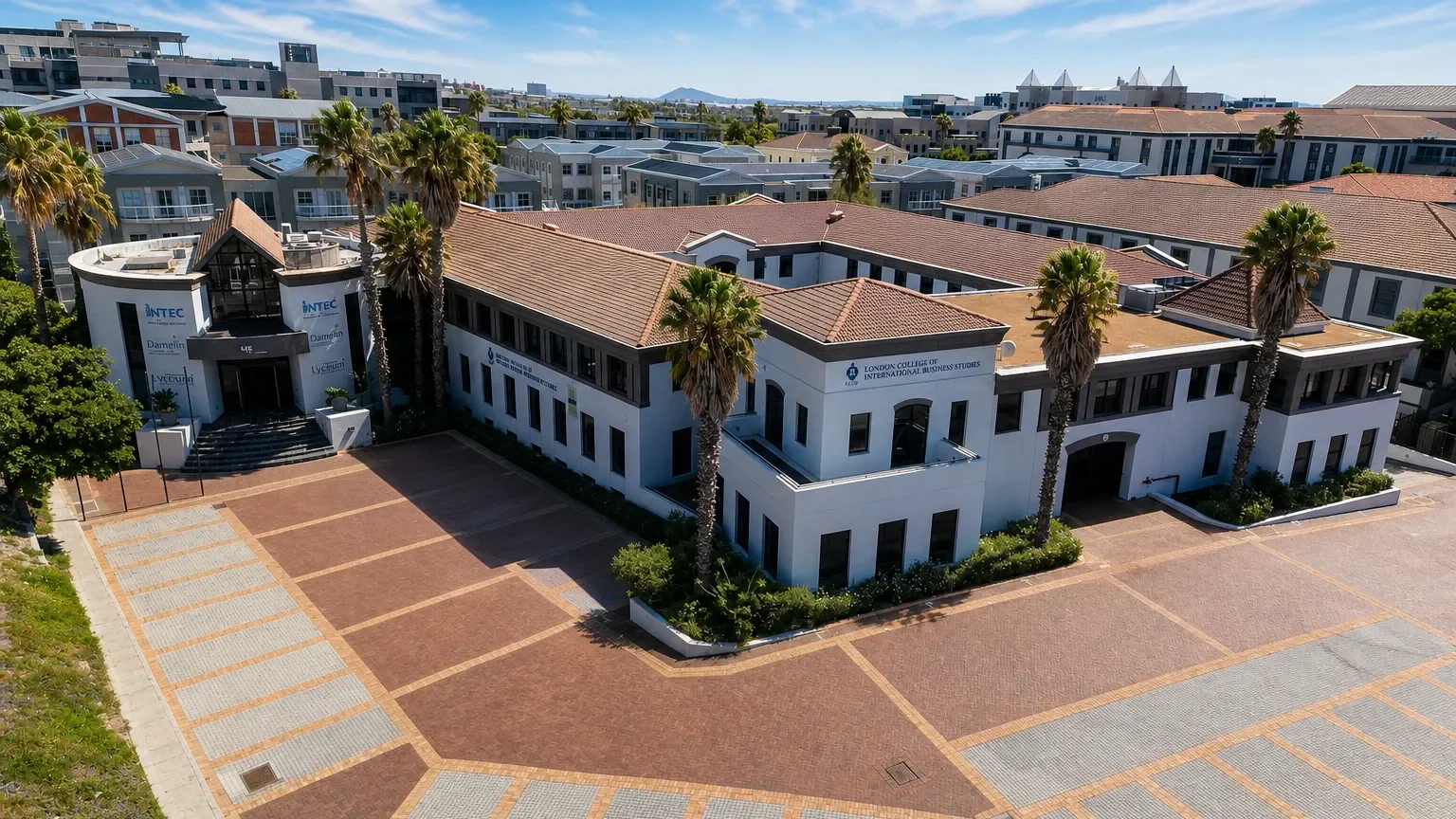
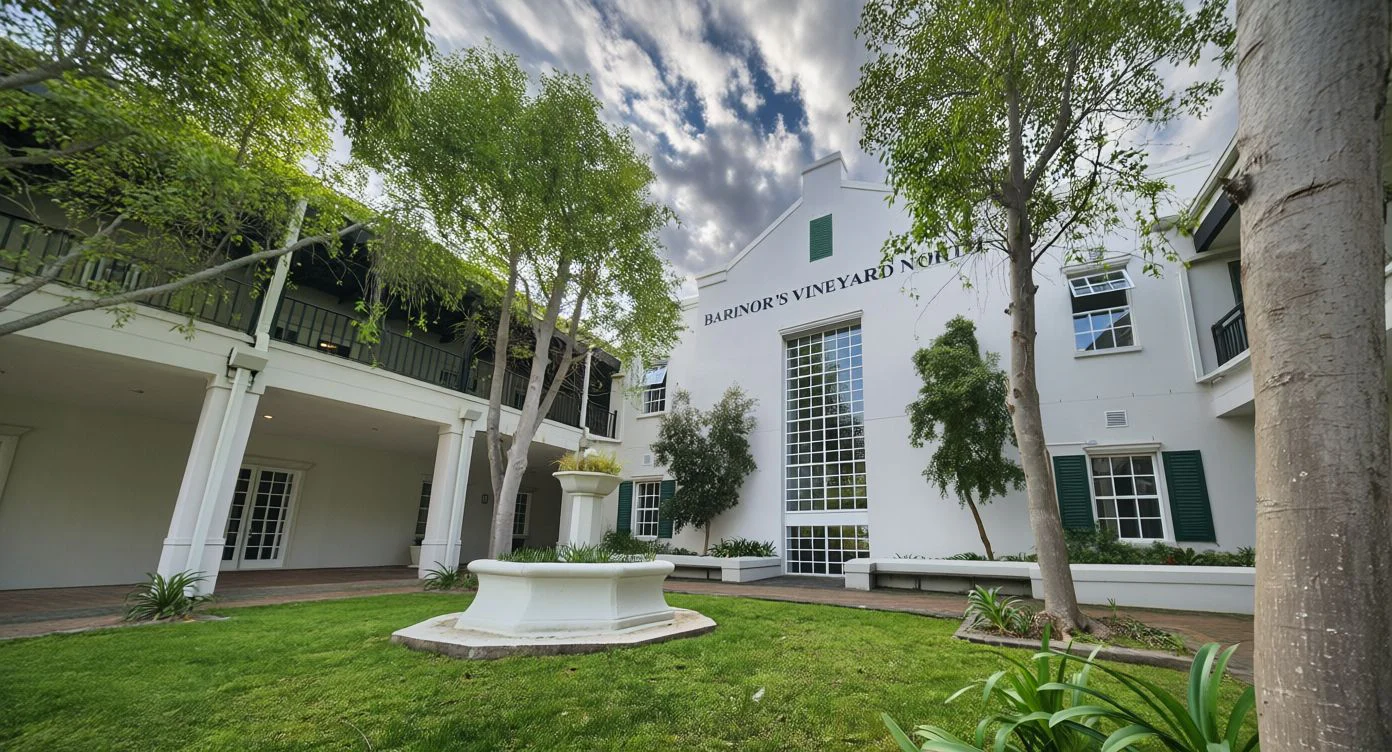
When I talk to clients about prestige, I always bring up The Vineyards. You do not choose The Vineyards just because you need a desk. You choose it because you want your environment to communicate stability. The estate was developed in 2003 on a former quarry site and is integrated into a 100 year old vineyard. It is a very specific atmosphere.
The tenant profile here is defined by a requirement for both prestige and tranquility. You will find legal and fiduciary practices, consulting services, and even tech startups that want a premium lifestyle office. The presence of lush, water wise gardens and quiet breakaway areas is a functional part of the experience. It allows staff to decompress and provides a great setting for informal client interactions.
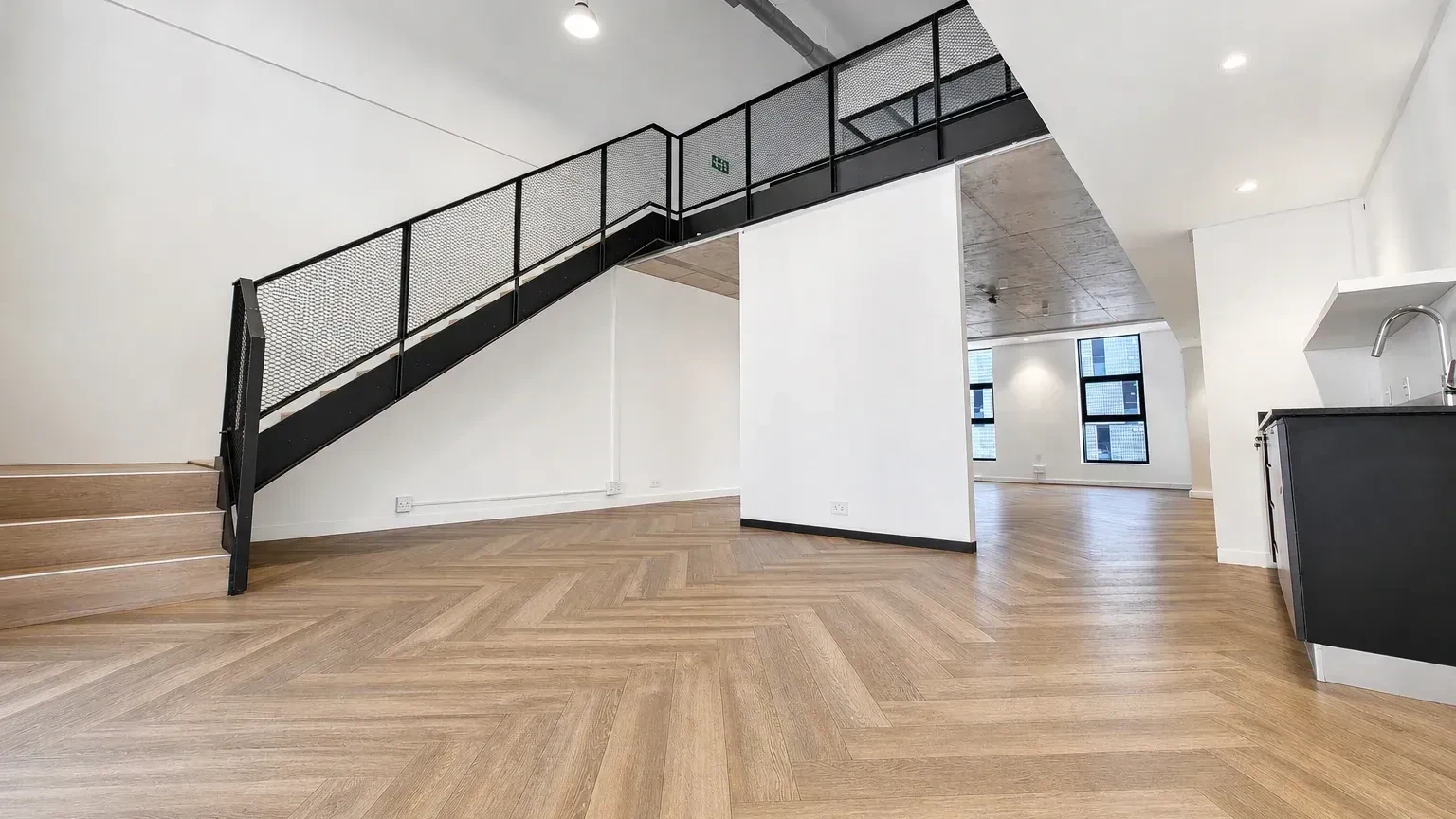
The structural variety is also a huge plus. You can find everything from standalone premium buildings like Merlot House or Regent House, which are perfect for corporate headquarters, to multi unit buildings like Chardonnay House for growing firms. Many units also feature backup power solutions, which is non negotiable in the current energy climate.
However, I must be honest with you. The Vineyards is a value park, not a volume park. If you are a rapidly scaling tech firm looking for 2,000 square metres of open plan space, you might find the configurations a bit restrictive. Also, you are paying for the environment, so the rental rates reflect that premium positioning.
Deep Dive: Springfield Office Park
If The Vineyards is about the statement, Springfield is about the scale. Springfield sits within the De Bron/Jip de Jager Drive corridor. It is a highly visible park because it captures the daily flow of professional traffic moving between Durbanville and Bellville. This provides a level of passive marketing that more secluded parks simply cannot match.
<
The Sectional Title Advantage
The biggest strategic advantage of Springfield is its modularity. The park is comprised of seven sectional title office blocks. This is a dream for SMEs and scaling tech firms. You can occupy a smaller footprint and expand into adjacent or larger units as your headcount increases. You are not trapped in a fixed footprint.
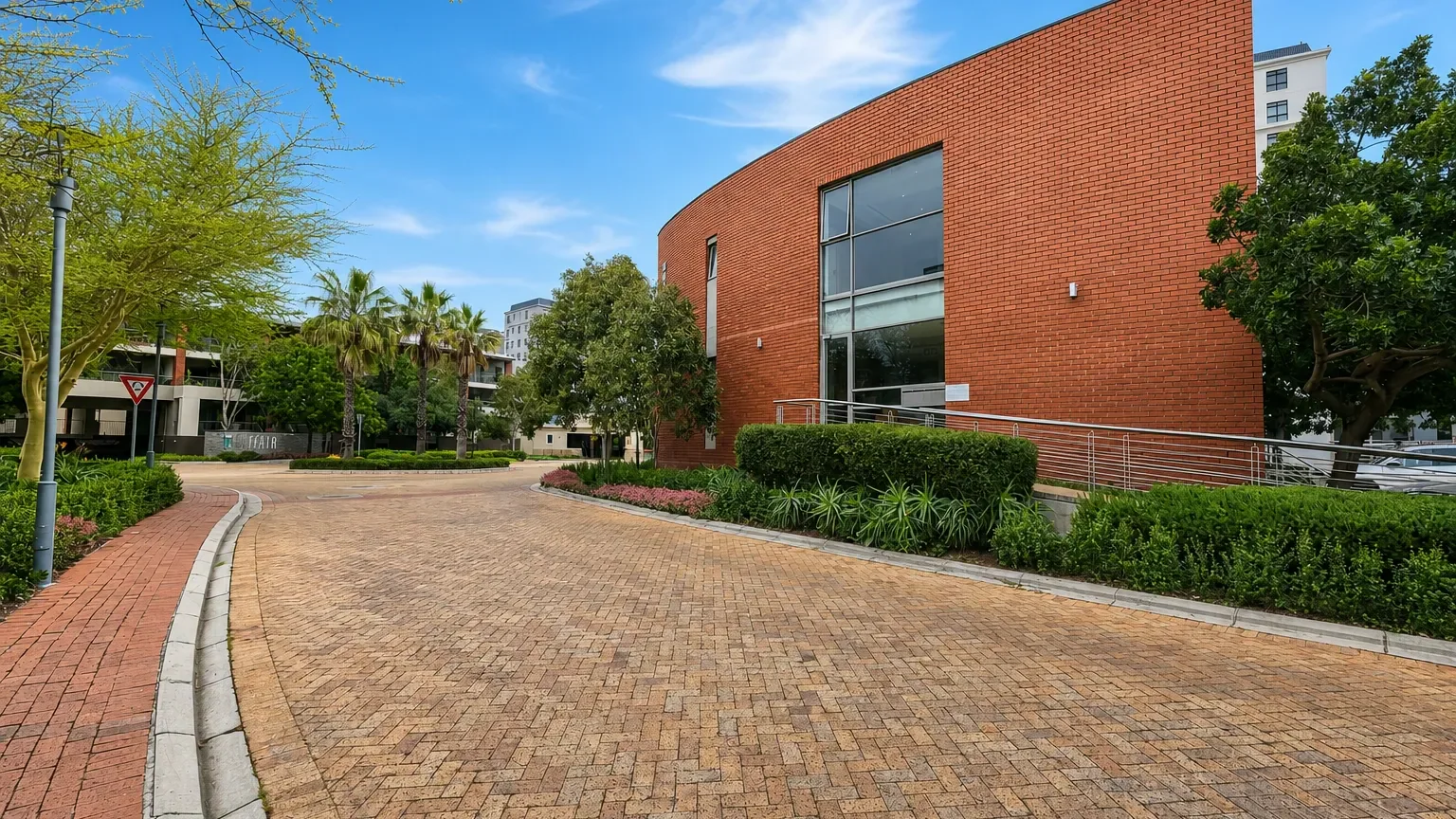
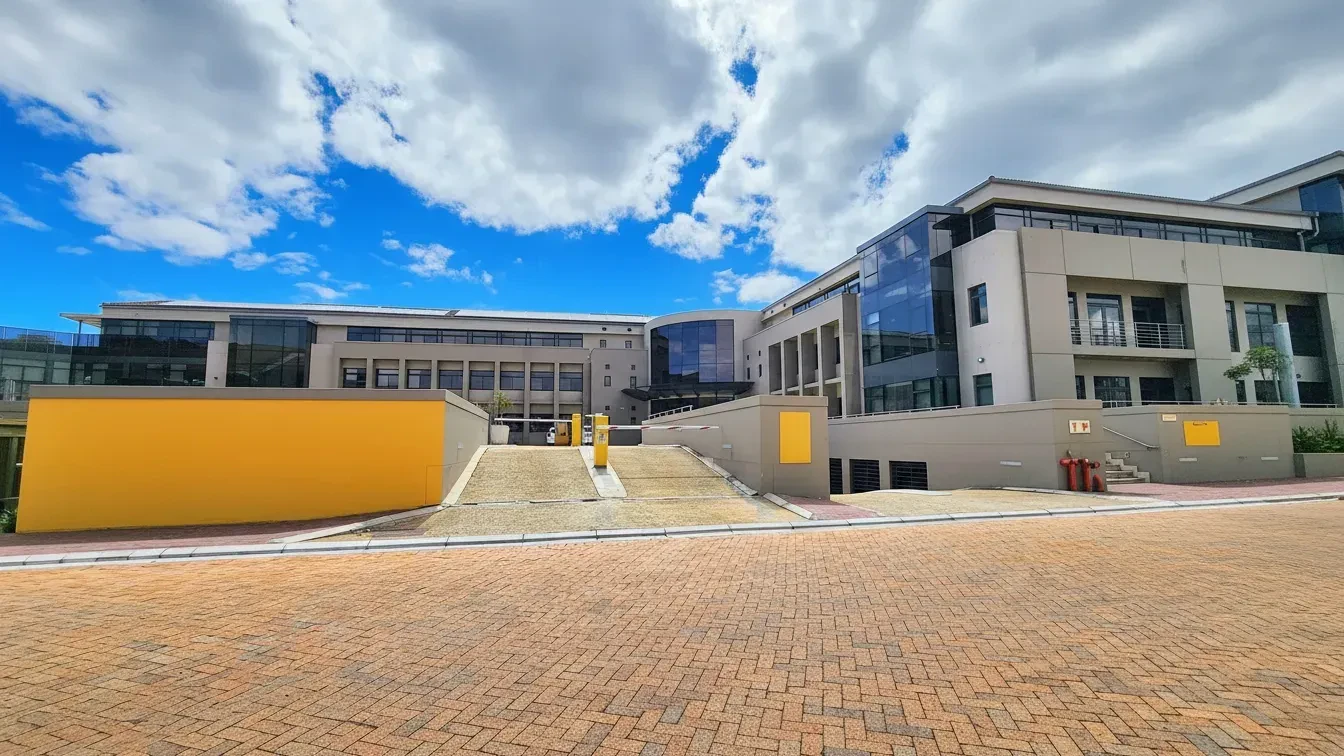
The building quality is high, with a professional Cape Dutch aesthetic. The infrastructure is built for the modern, data heavy economy, with high speed fibre available across the estate. Parking is also a major win here. Unlike the congested CBD, Springfield provides an abundance of both open and shaded parking bays. This reduces the friction of arrival for your clients and makes life much easier for your staff.
The Bottom Line: Why This Node is the Future
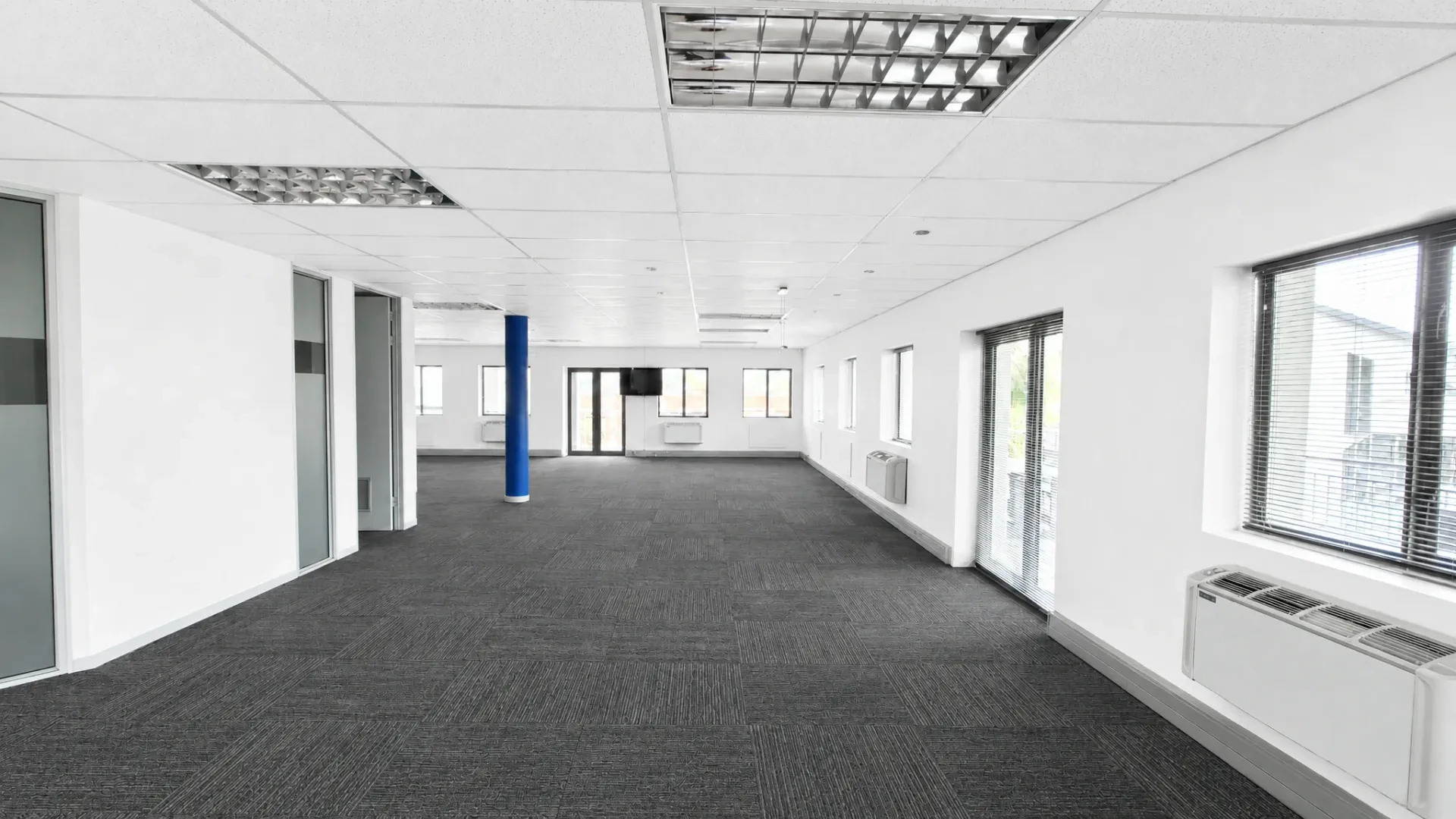
The shift toward the De Bron and Tyger Valley corridor is driven by two things: cost and convenience. We are seeing a move from visibility centric real estate to utility centric real estate. Businesses are realising they can get much higher quality, modern office configurations at a significantly lower cost per square metre than in Century City or the CBD.
The proximity to major retail hubs like Tyger Valley Centre and Willowbridge, along with the ease of access to the N1 and R300, creates a seamless work and life integration. You get the amenities, the connectivity, and the talent, all without the logistical nightmare of the city centre.
My advice to business owners: If you are planning your next move, do not just look at the base rental. Look at the total cost of occupancy. Calculate the cost of staff turnover due to bad commutes. Calculate the cost of parking for your clients. When you look at the full picture, the Northern Suburbs corridor is hard to beat.