The BPO Boom Is Real, And It Is Changing Our Market
Let me tell you something that might surprise you if you have not been watching the numbers closely. Between April 2024 and March 2025, the Business Process Outsourcing (BPO) sector in Cape Town created over 11,496 new jobs. That is not a typo. That is a massive injection of talent and capital into our local economy.
I have seen cycles come and go. I have seen tech bubbles burst and retail struggles emerge. But what is happening right now with BPO is different. It is structural. It is sustainable. And it is directly impacting the demand for commercial office space across the city.
Cape Town is no longer just a nice place to visit. It is South Africa’s premier outsourcing hub. Cape Town has become one of South Africa’s dominant BPO hubs, supported by strong infrastructure, a scalable talent pool and a growing base of international operators. CapeBPO’s current public figures show 95,512 total BPO jobs in the Western Cape, which gives a better indication of the scale this sector has reached.The numbers are staggering. The sector contributes around R24 billion annually to the Western Cape economy. That is comparable to the tourism sector. And unlike tourism, which can be volatile, BPO is built on long-term contracts and steady operational needs.
Why Companies Are Choosing Cape Town
You might wonder why international giants are setting up shop here instead of India or the Philippines. The answer is simple. It comes down to talent, time zones, and cost.
First, we have a large, English-speaking workforce. Many of our candidates are multilingual, speaking French, German, or Dutch. This is a huge advantage for European clients. Second, our time zone aligns perfectly with the UK and Europe. You can have a team in Cape Town working while your clients in London are in their morning meetings. It is seamless.
Then there is the cost factor. CapeBPO positions South Africa as a cost-competitive contact-centre destination, with operating costs at least 50% to 60% lower than markets such as England and Australia. And let us talk about the talent pool. Recruitment here is reportedly 30% faster than in Johannesburg. That speed matters when you are scaling an operation.
Government support also plays a role. The City of Cape Town, The Western Cape Government, CapeBPO and Wesgro are actively supporting the growth of this sector. They understand that BPO is a job creator. It is particularly impactful for young people. Nationally, the broader GBS and BPO sector is also an important youth-employment platform, with industry reporting often highlighting strong participation from young people and women. This is inclusive growth. It is exactly what our city needs.
The Physical Office Is Not Dead
There was a time when everyone said the office was dead. Hybrid work would kill commercial real estate. That narrative has shifted. Especially in the BPO sector.
BPO companies still need physical offices. They need secure environments for data handling. They need collaborative spaces for training and team building. They need infrastructure that is reliable. While hybrid work has changed how we use space, it has not eliminated the need for it. In fact, the quality of that space has become more important.
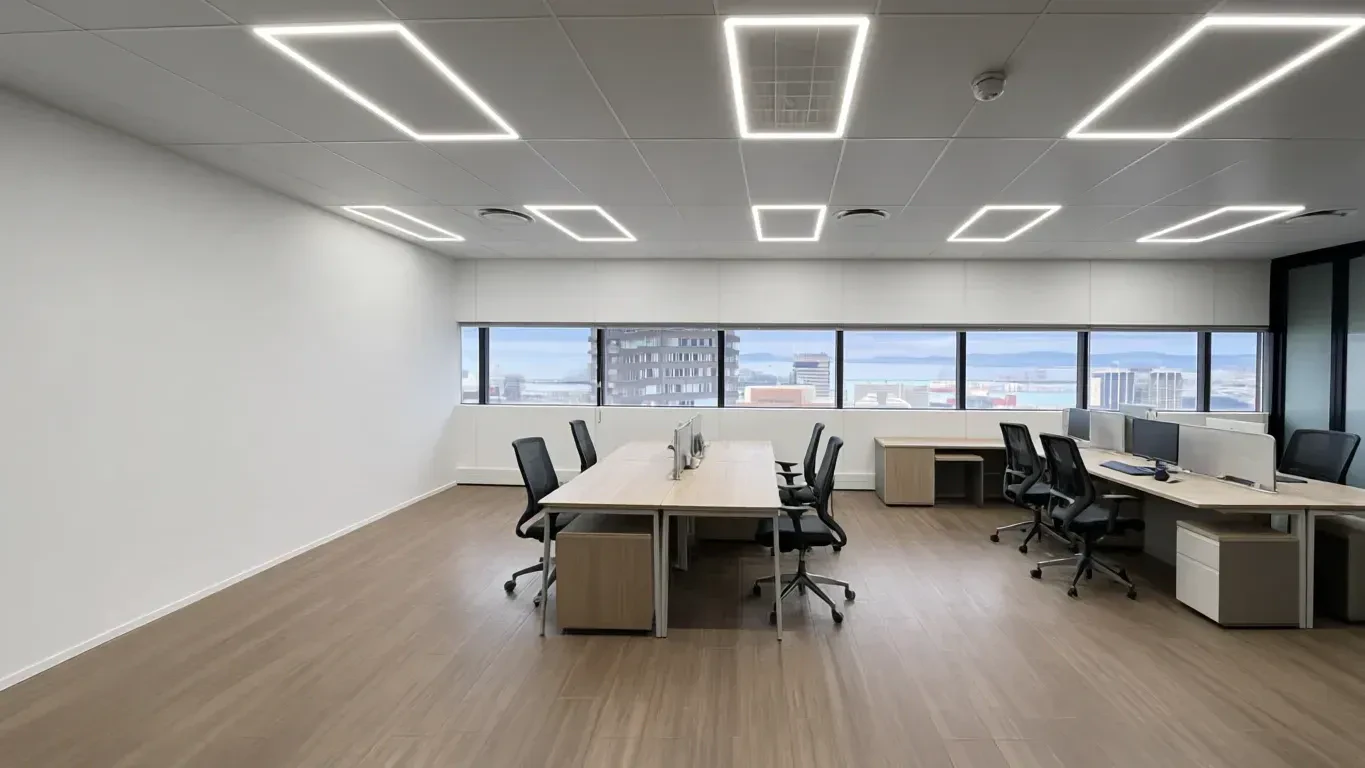
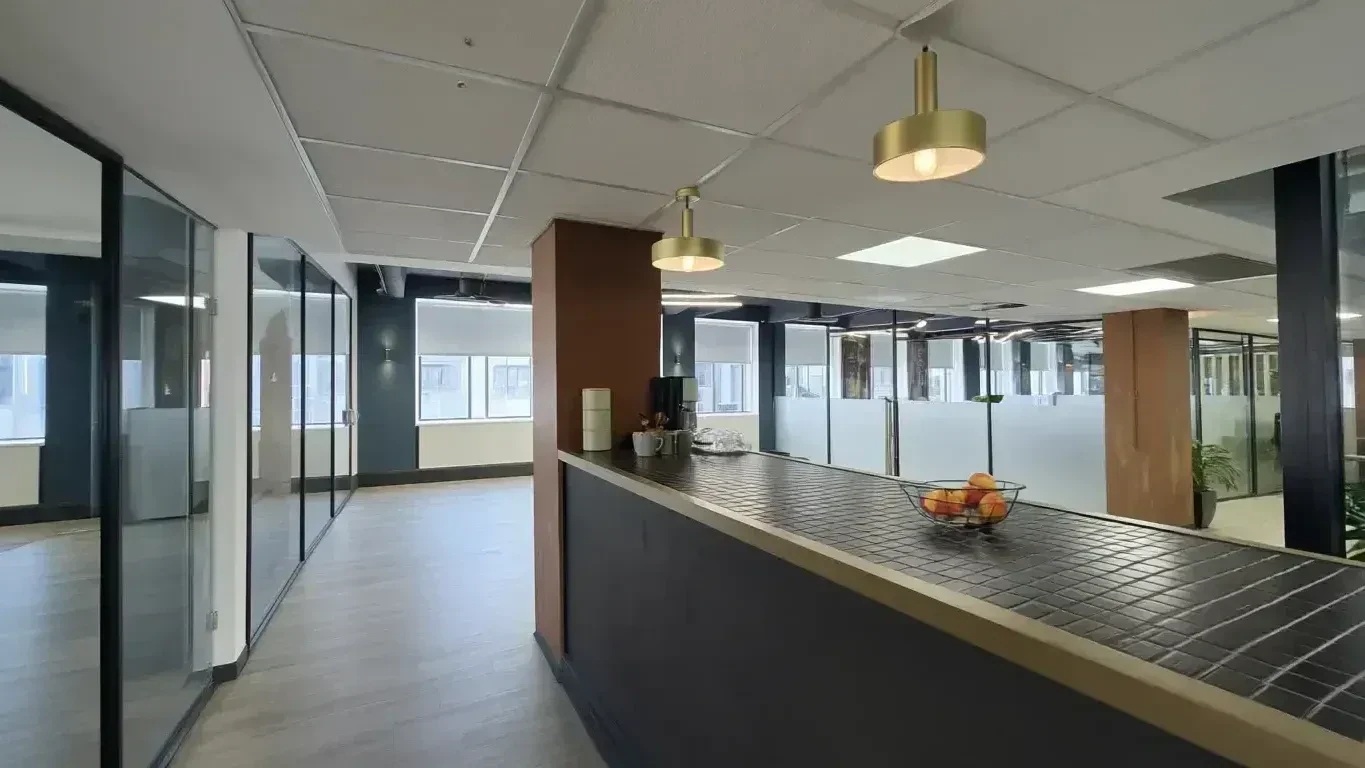
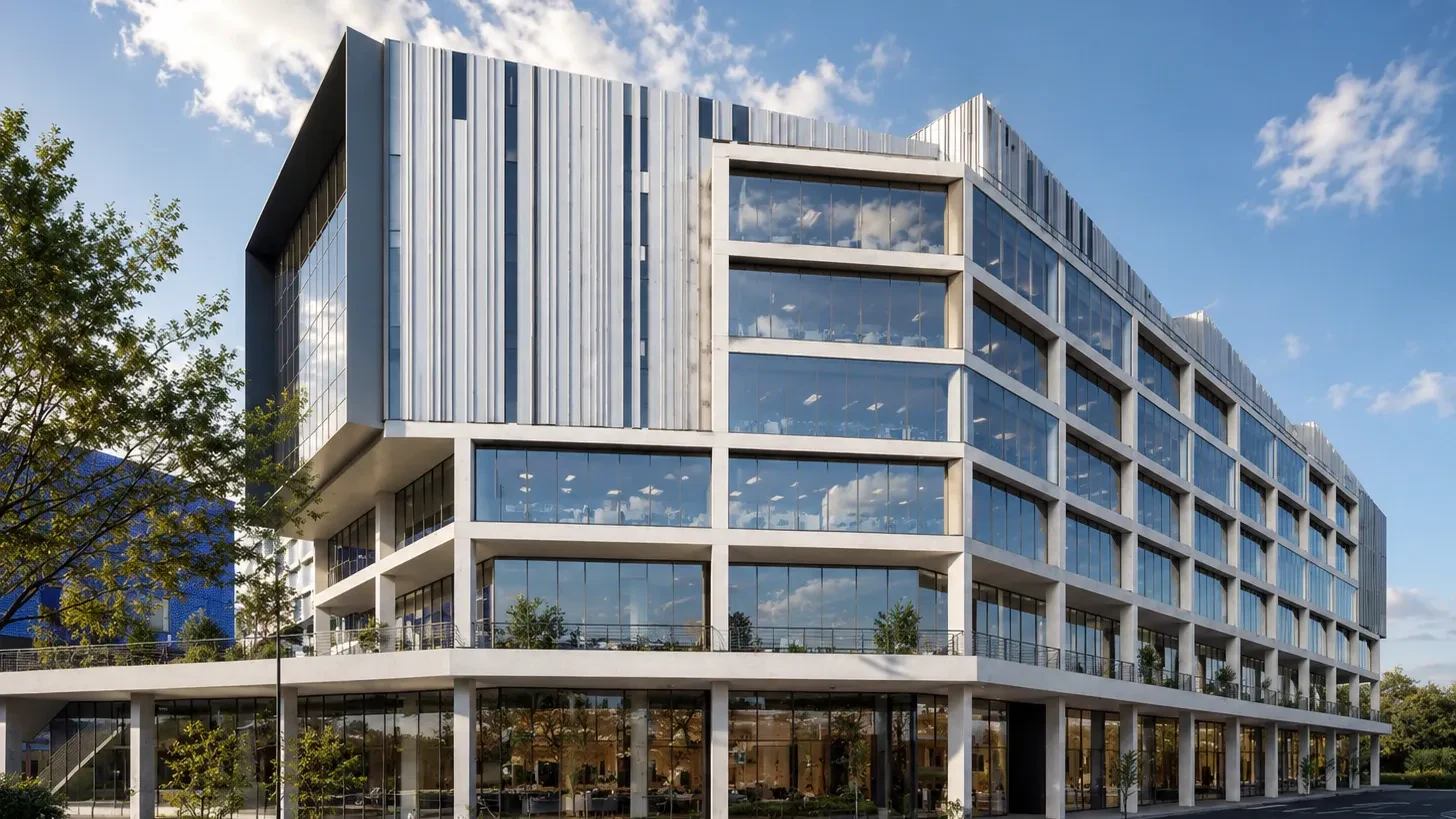
Landlords are seeing a surge in demand for Grade A office space. Tenants want modern buildings with high-speed fibre connectivity. They want green-certified buildings that appeal to their employees. They want flexible layouts that can adapt to changing team sizes. The days of dark, windowless call centres are over. Today’s BPO offices look like tech campuses.
This shift is driving demand in specific nodes. Let us look at where the action is.
Century City: A Central location
If you want to see the central location of Cape Town, look at Century City. This node has become the preferred destination for many major players. Why? It offers modern infrastructure, excellent security, and convenient access to the airport. It is a self-contained business district with amenities that make employee life easier. Office rents here reflect the quality of the node, with modern infrastructure, strong security, convenience and a world-class working environment.
The CBD and Foreshore: The BPO Powerhouse
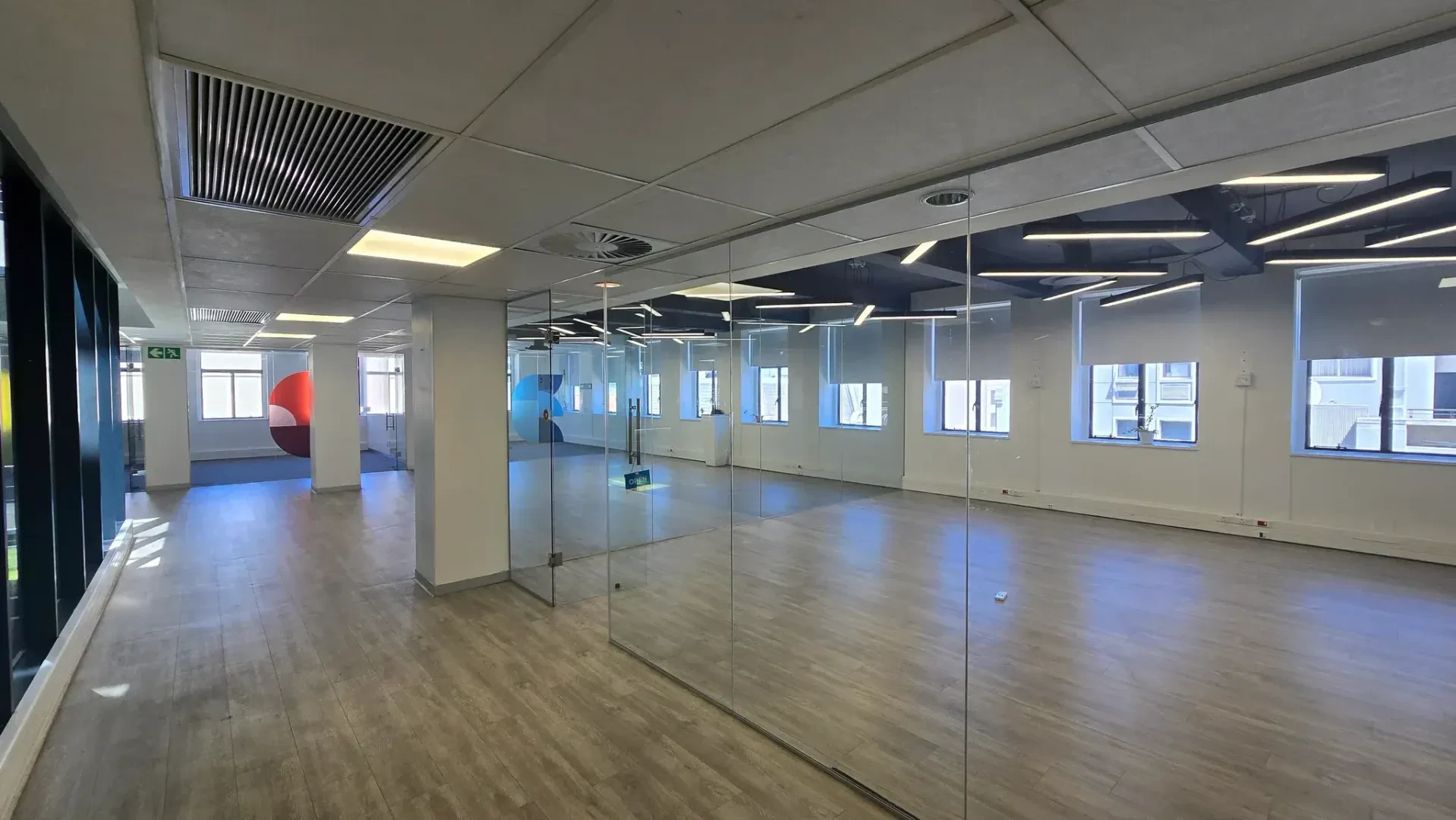
The Cape Town CBD and Foreshore remain critical. These areas offer high-density fibre connectivity and proximity to public transport. With the expansion of the MyCiTi bus network, commuting for employees has become more manageable. Developers are refurbishing older buildings to meet modern standards. We are seeing a lot of activity in converting underutilised space into vibrant office environments.
Emerging Nodes: Bellville and Tygervalley
Do not ignore the northern suburbs. Bellville and Tygervalley are seeing increased interest. These areas offer lower rental rates and access to a different talent pool. For companies looking to expand without the premium price tag of Century City or Foreshore, these nodes present smart opportunities. They are well-connected to major highways and have growing amenities.
Woodstock and Salt River
For tech-focused BPO operations, Woodstock and Salt River are attractive. These areas have a creative vibe that appeals to younger talent. They are close to the university and other educational institutions. The infrastructure is improving rapidly, with new fibre networks and modern developments popping up.
What This Means For Investors And Landlords
If you own commercial property in Cape Town, you are in a strong position. In Cape Town’s prime office nodes, demand continues to outstrip supply, particularly for quality space suited to BPO and other large occupiers. This is creating a more landlord-favourable market in selected areas.
However, you need to be strategic. Do not just offer space. Offer a solution. Ensure your building has reliable power. Ensure it has high-speed internet. Ensure it has good security. These are non-negotiables for BPO tenants.
Consider flexible leasing options. BPO companies can grow quickly. They may need to expand or contract their space within a short period. Offering flexibility can win you the deal.
Look at mixed-use developments. Combining office space with retail or hospitality can create a vibrant ecosystem. Employees want places to eat, shop, and relax. If you can provide that, you add value to your property.
The Future Outlook
The future looks bright. International investment is continuing to flow into Cape Town. We are seeing more foreign direct investment (FDI) in the BPO sector. In the 2024/25 financial year, the sector added around R3.6 billion in new foreign direct investment to the local economy. This is capital that stays in the local economy.
We are also seeing a shift towards higher-value services. It is not just about call centres anymore. Companies are outsourcing finance, legal, and tech support functions. This requires more sophisticated office environments. It drives demand for premium space.
AI and automation will change the industry. Some routine tasks will be automated. But human interaction will remain crucial. The role of the BPO worker will evolve. They will handle more complex issues. This means the need for skilled talent will increase. And that means the need for quality office space will persist.
Final Thoughts
Cape Town is solidifying its position as a global BPO destination. The growth is real. The demand for office space is real. The opportunities for investors and landlords are real.
But you need to be smart. You need to understand what tenants want. You need to offer quality, flexibility, and resilience. If you do that, you will be well-positioned to benefit from this boom.
Are you looking for office space for your BPO operation? Or are you a landlord looking to optimise your asset? Get in touch with us. We can help you navigate the market and find the right solution. Let us talk over coffee. We would love to hear your perspective.